
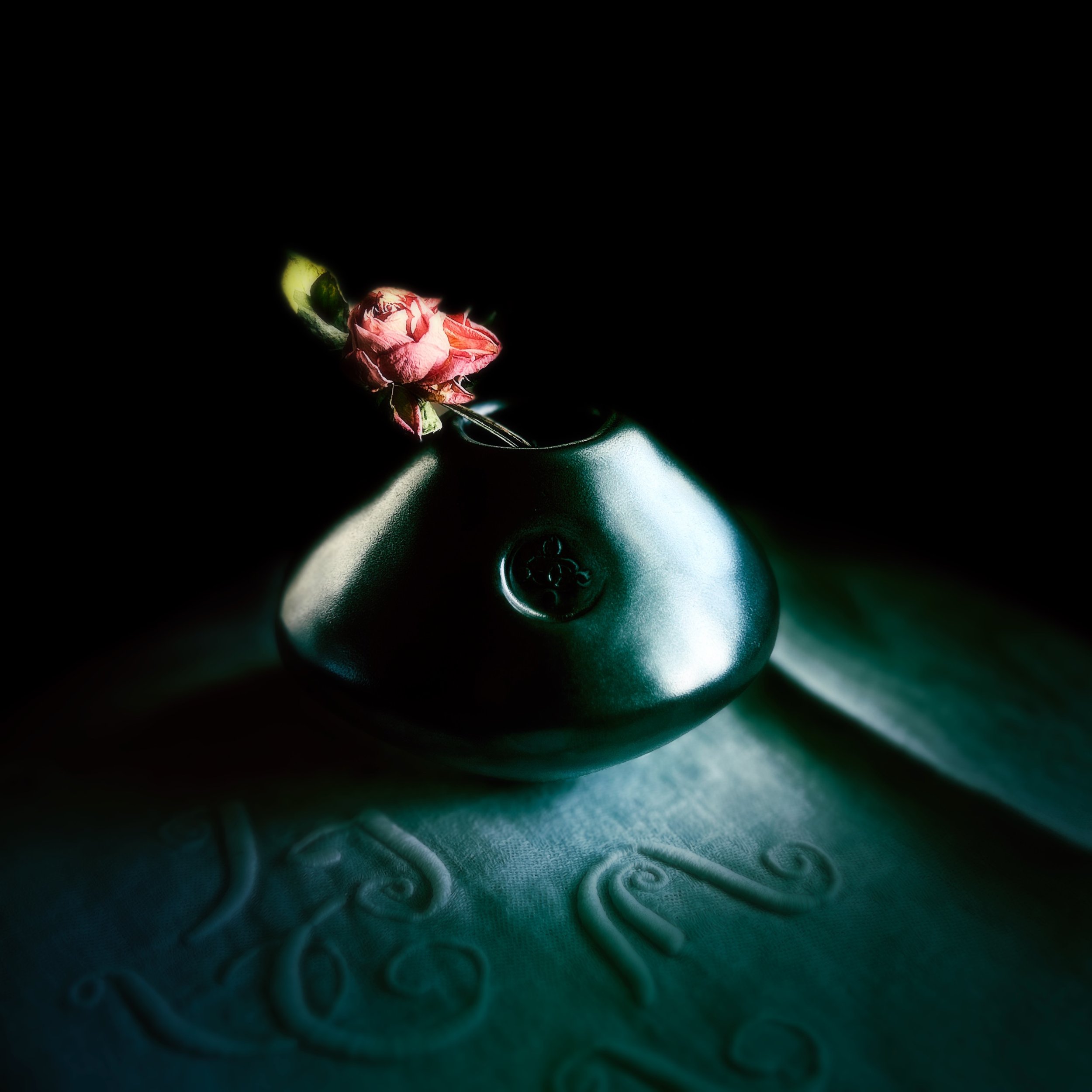
the danish testament
I’m working on an art project that deals with the idea of inheritance, legacy, and prophetic transmission. Sometimes we inherit things that are not intended for us. And yet we take them and transform them. We follow their red thread and they become part of our legacy. When we succeed in making a strong transmission inspired by what we receive by chance, we experience the tone of prophecy: ‘this shall be thy lot…’ A testament to the ominous, the wondrous, and the voracious in magic.
So far this project comes in two parts: one about juxtaposing ceramics vessels and scrolls made out of Danish vintage linen and damask table cloths, and another about making analog photographs. Each is accompanied by writing, either in the form of a book or a collection of essays.
vessels
It started with a stoneware ceramics bowl. I made one such when my sister gave me a birthday present in the form of a workshop in hand building. I had never touched clay before. After two hours of transforming it into a magical bowl, I had already begun to wonder about porcelain.
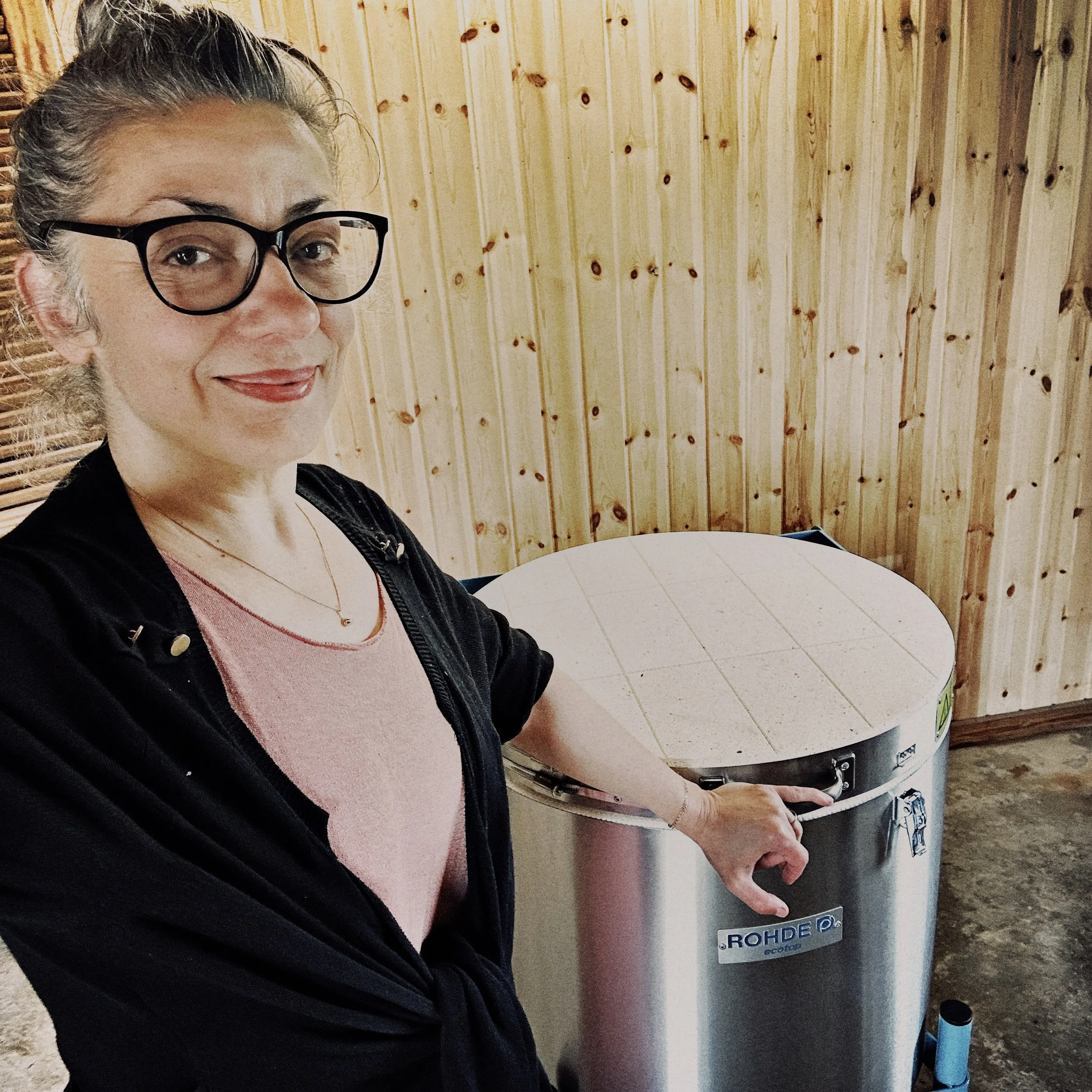
Six months down the road, a fine day in July 2024 I welcomed both my new wheel and a kiln in my garage. At that point I had never tried a potter’s wheel, nor had I even seen a kiln. But I knew I was good at something, namely reading. I gave myself two weeks to read everything I could on the essentials of wheel turning and firing schedules. Then I sat at my wheel with a lump of clay at the center of it and started turning it. I turned and turned, until I got the hang of it. I had decided that this was not rocket science – though I have to admit that I could do with some instruction, as I have questions to ask…
Meanwhile I’m working on an installation that juxtaposes linen, calligraphy, and clay: I make calligraphy scrolls out of Danish vintage linen and damask table cloths that I have been collecting for 35 years. Having discovered clay, it was only a matter of time before I was ready to pair my linen scrolls with ceramics vessels of my own making and design.
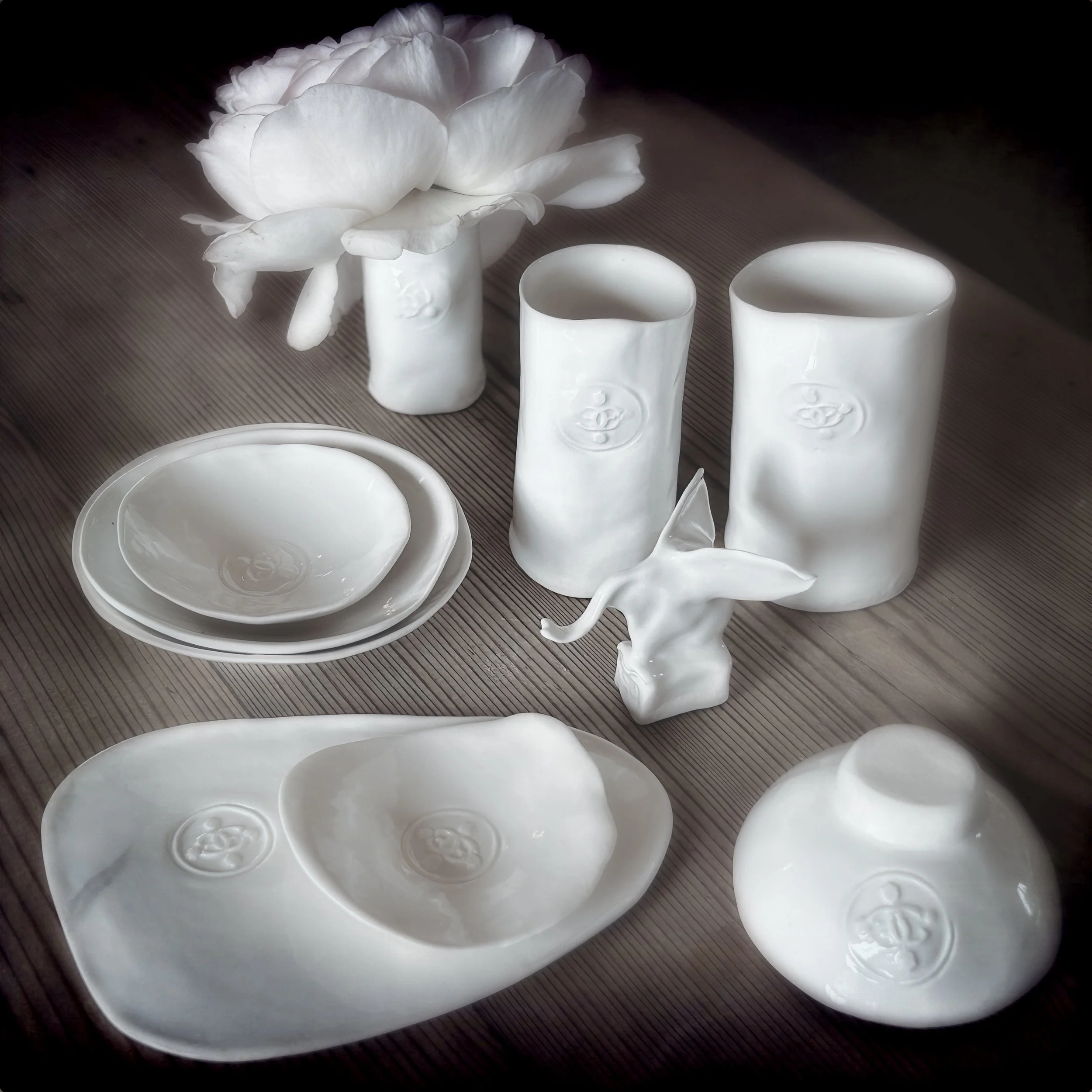
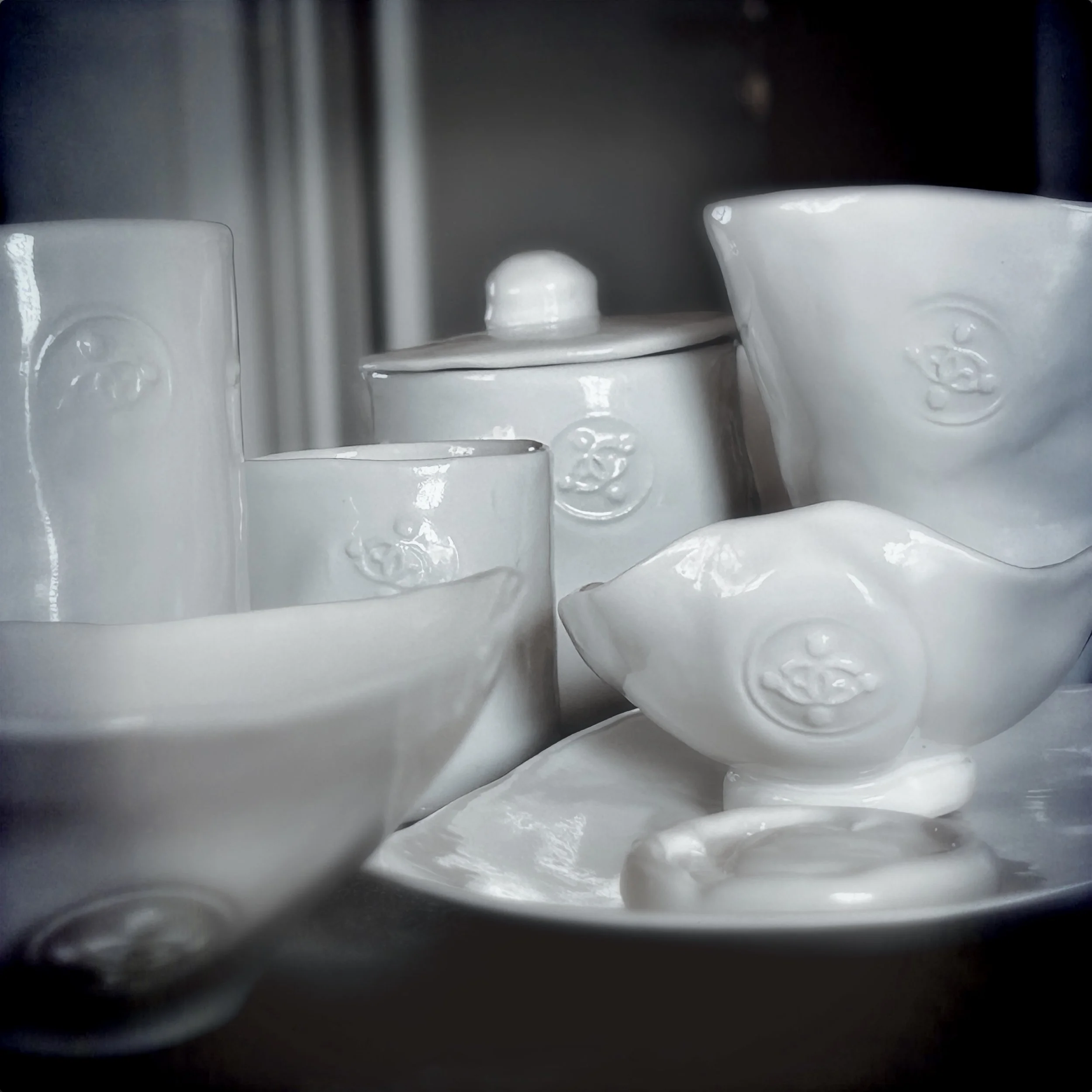
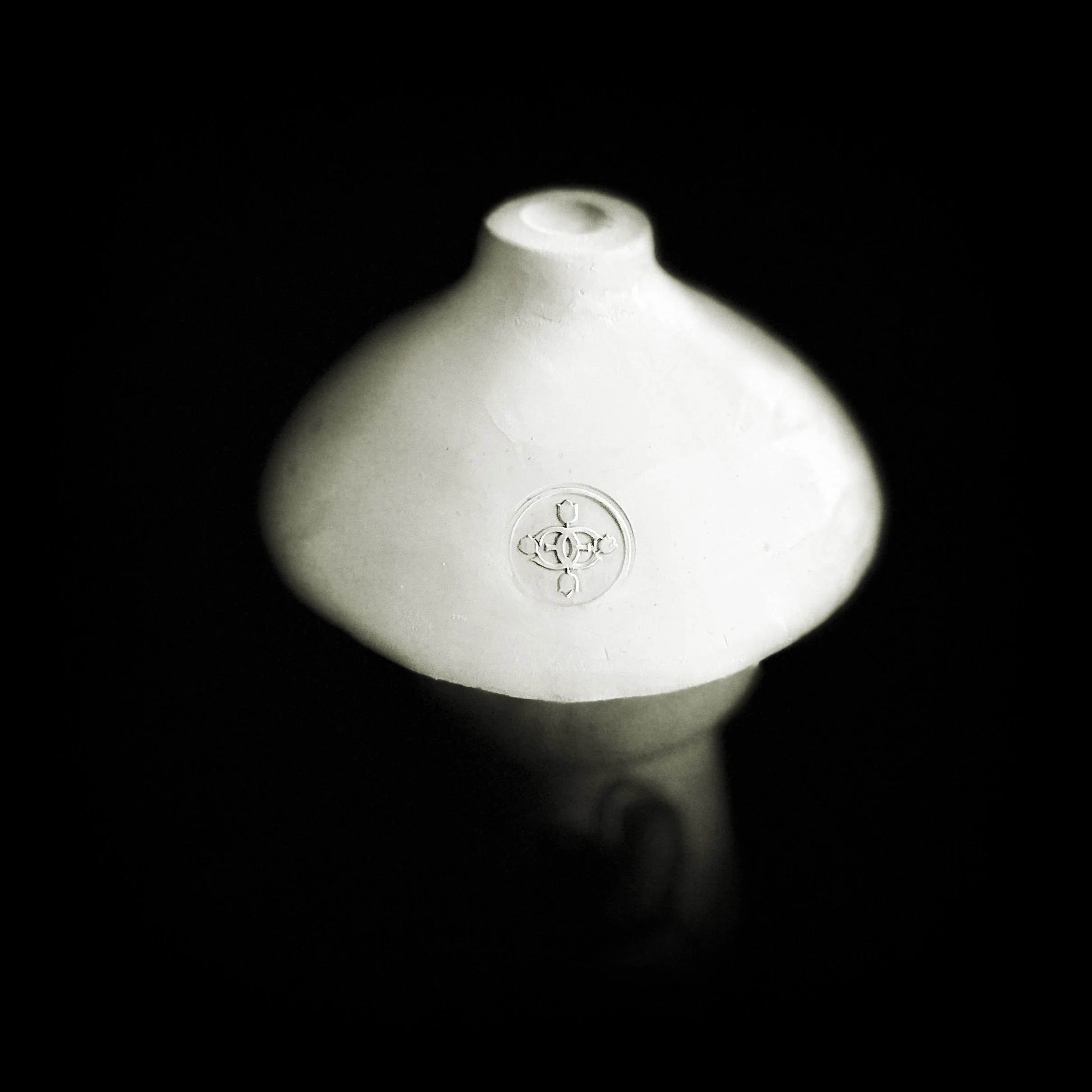
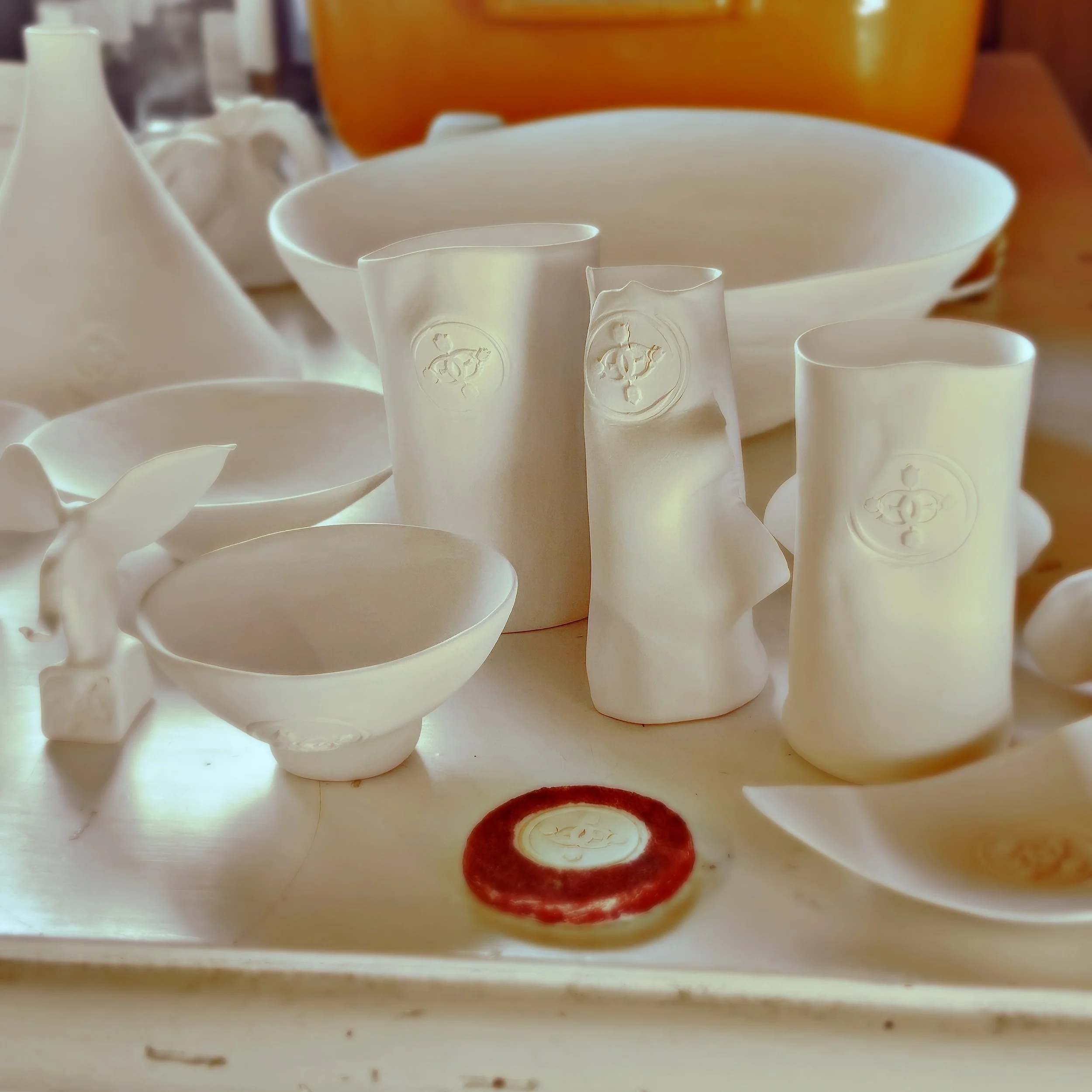
Decorated solely with my personal stamp for this project, my vessels are an expression of what I’m pursuing: the key to the essential. My interlaced initials, ‘ce’ accompanied by tulips, are an emblem of precisely this: clavis et essentia, revealing the energy that I infuse my work with in search of the keys to the impenetrable obvious.
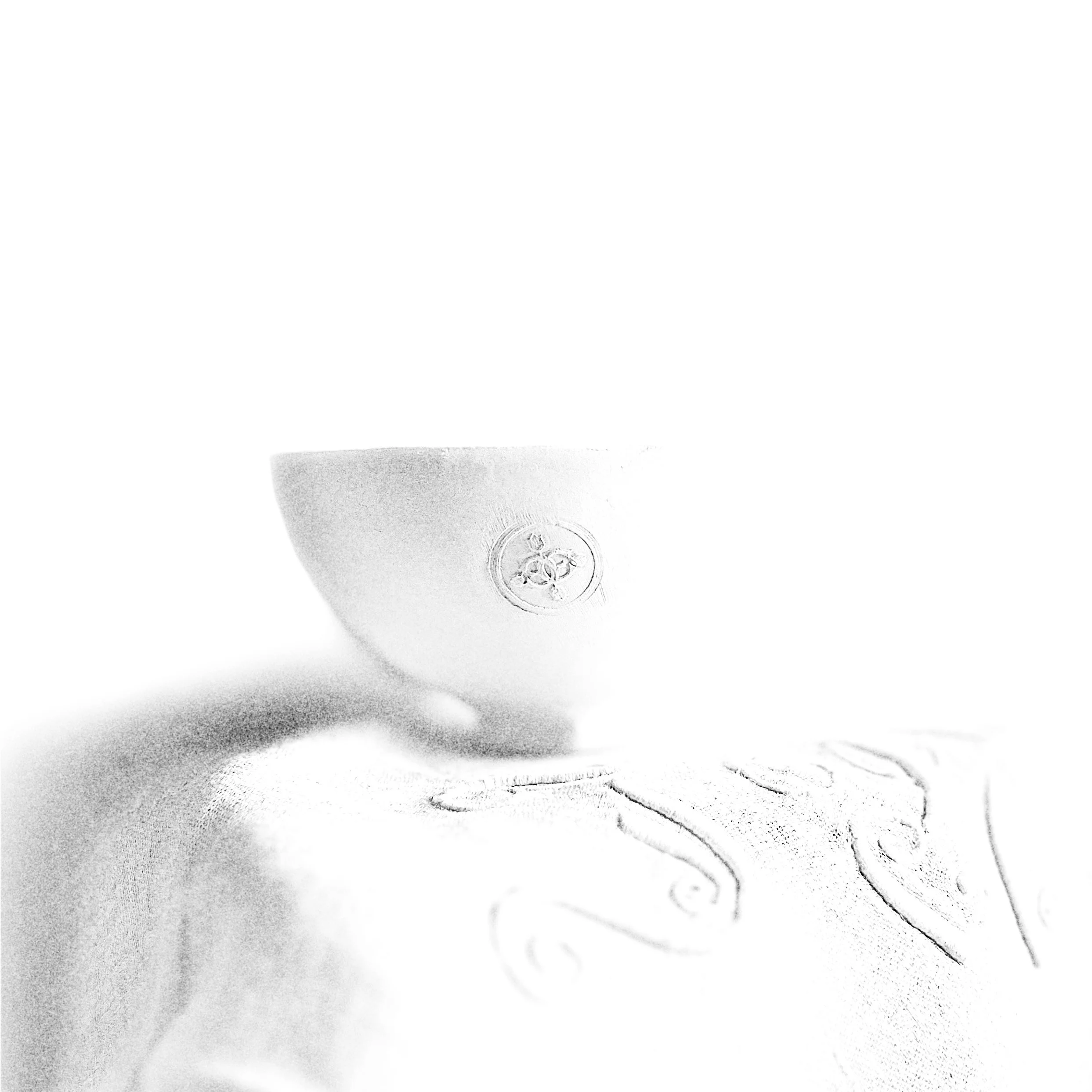
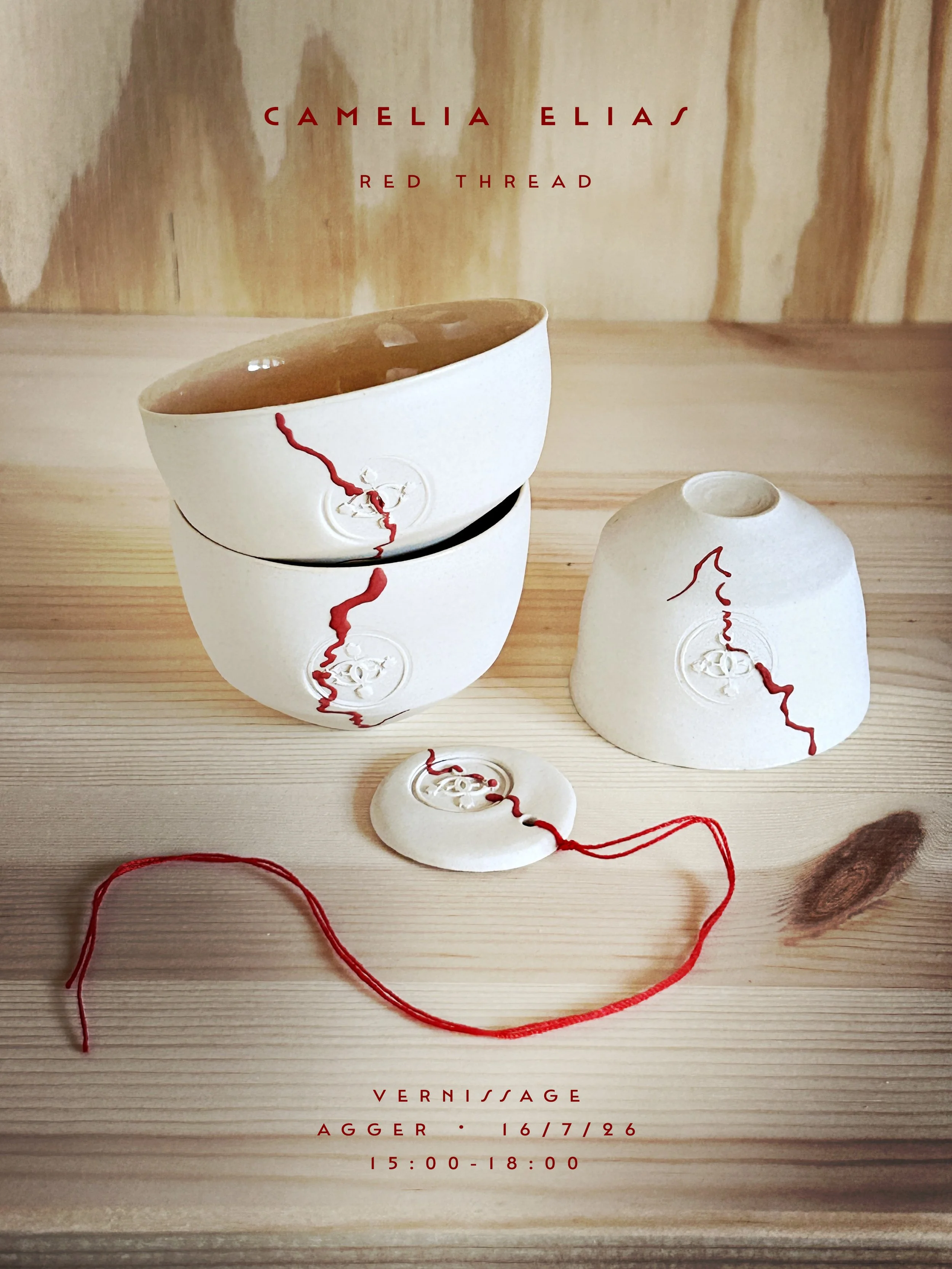
dowary & a red thread
A bridal chest holds the finest tablecloth, porcelain, and cutlery. Yet, it belongs to the past; nowadays, such chests often end up at recycling centers. I buy the linen tablecloth and try to follow its thread. At one time, the cloth was highly prized. What kind of lives did those who inherited it lead? Their legacy has nothing to do with me, but now that I possess this treasure, I reflect on my role as an heir – inheriting under a will never intended for me.
I embrace the beautiful sentiment behind the Danish bridal chest and seek to leave my own mark upon it.
The worn linen cloth transforms into a scroll upon which I paint. My calligraphy follows the thread further: black ink applied to a white porcelain slip of my own mixing.
The written characters lead me to clay. Perhaps I can throw a cup or a jar myself—something to place on a table beside the new scroll. Why not?
I engage in a dialogue with the Danish will, transforming its original wording and content to create my own legacy. My aim is to honor the idea that we do not merely use what we inherit; rather, we view it as a magical red thread running through our lives – a thread that grants us the key to the essential, or clavis et essentia. My signature, featuring my initials on each vessel I make, reflects this motto.
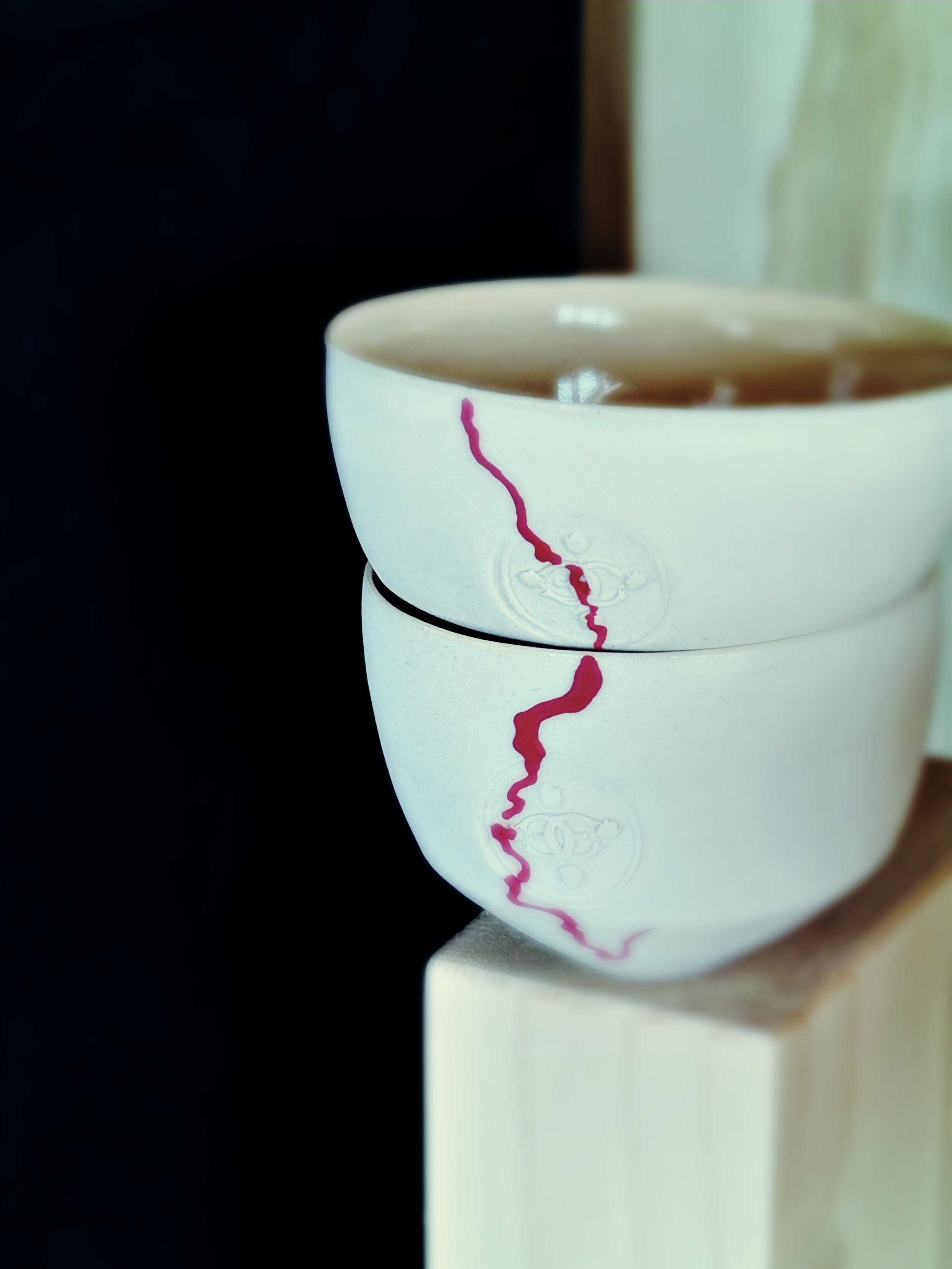
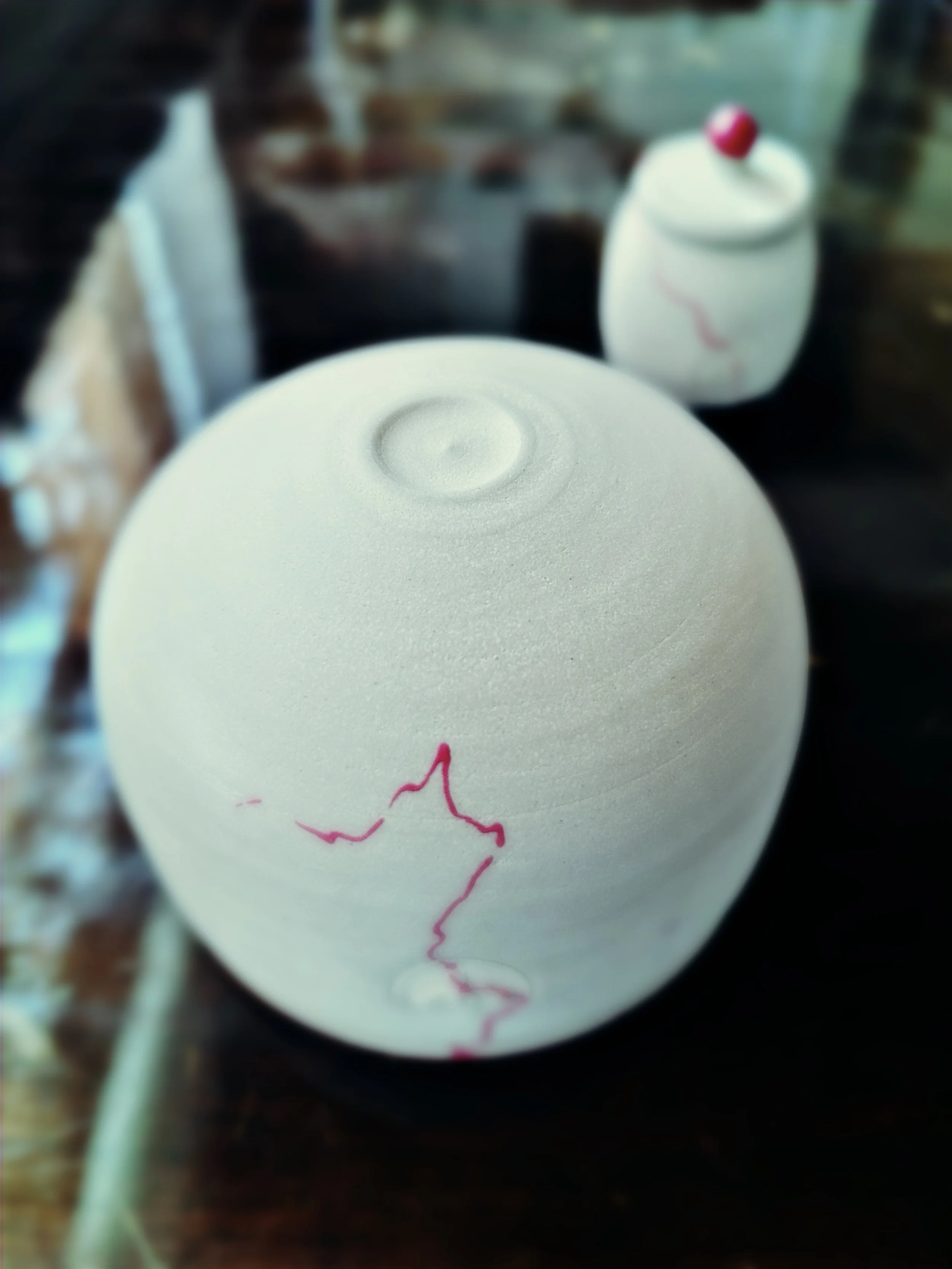
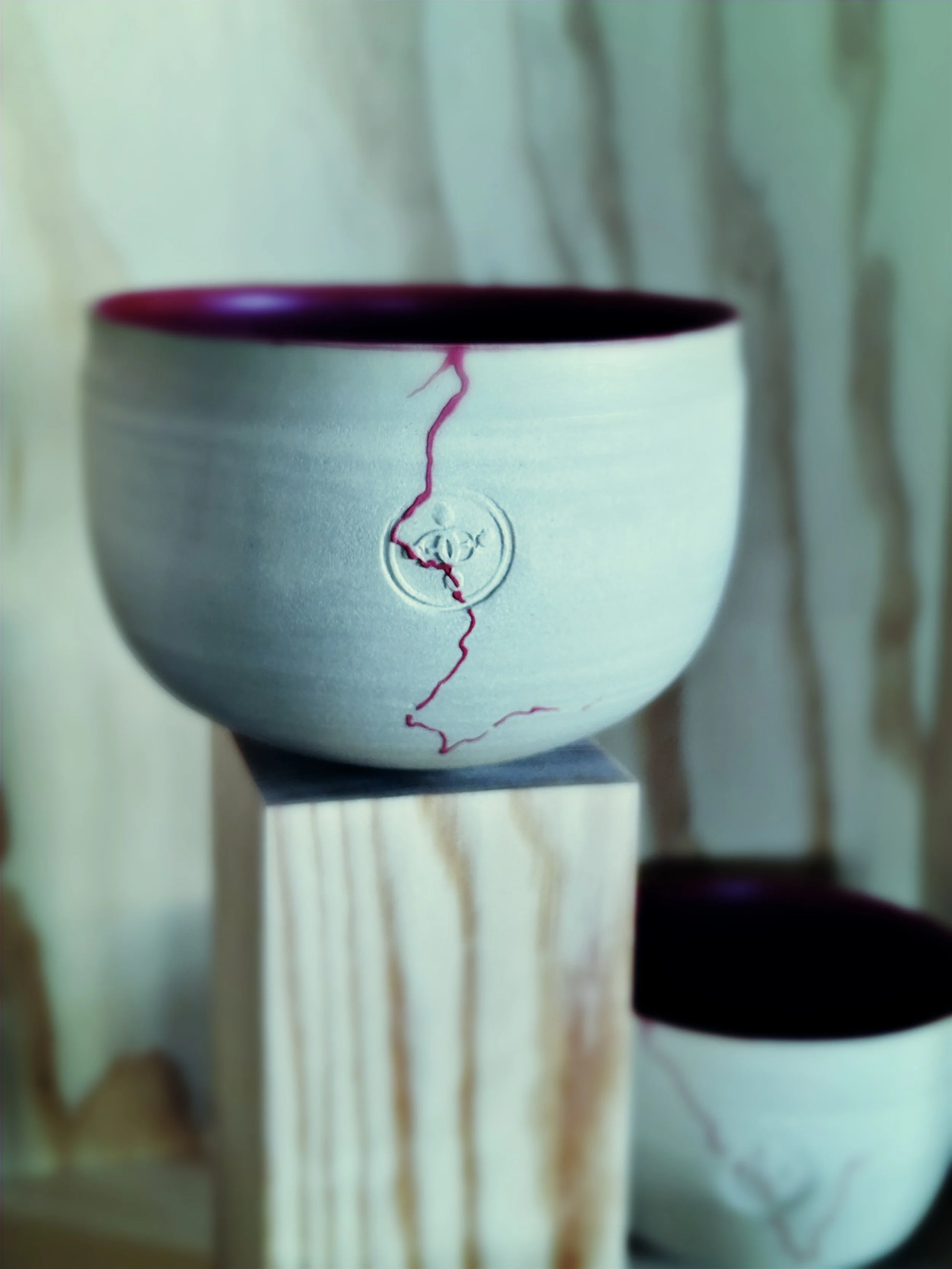
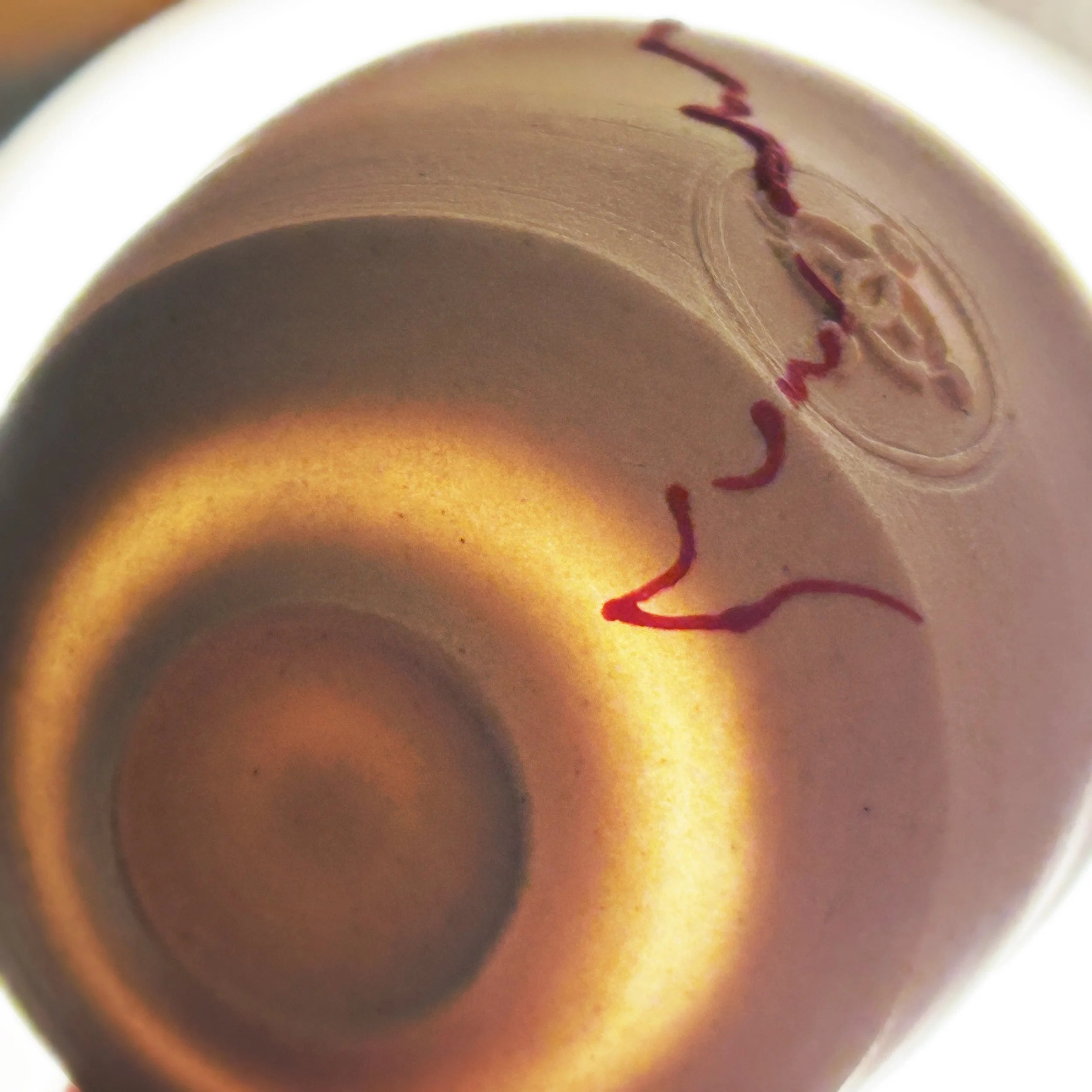
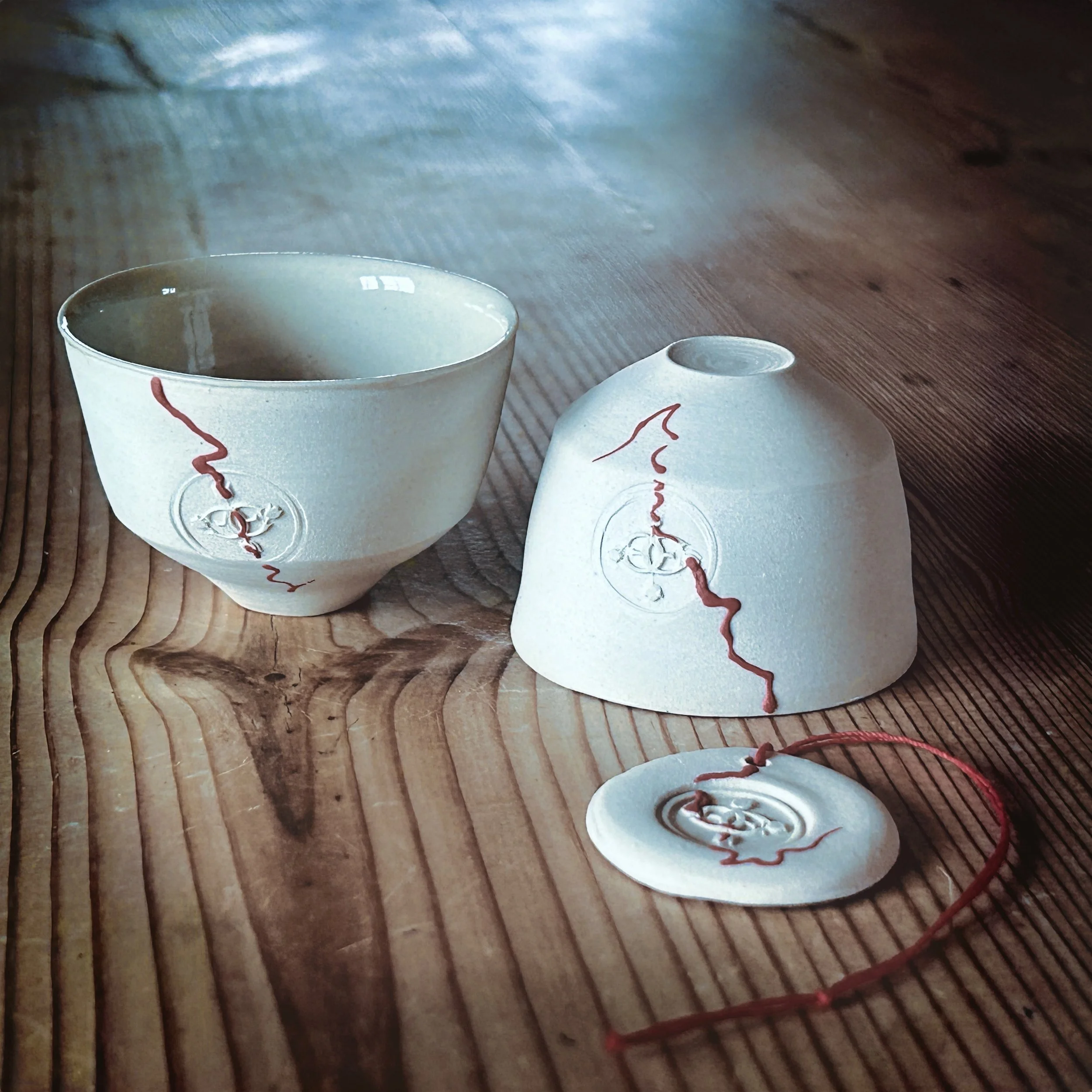
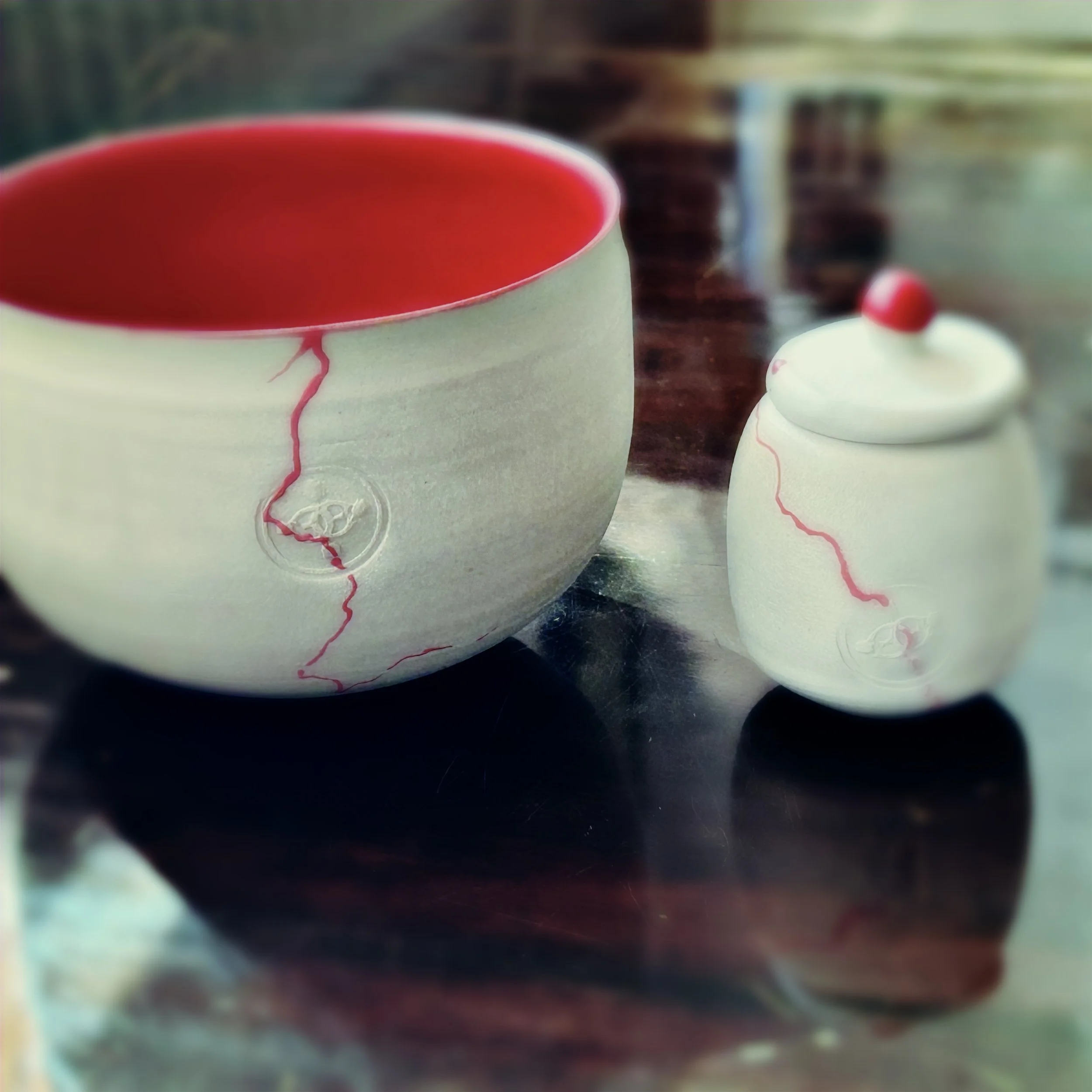
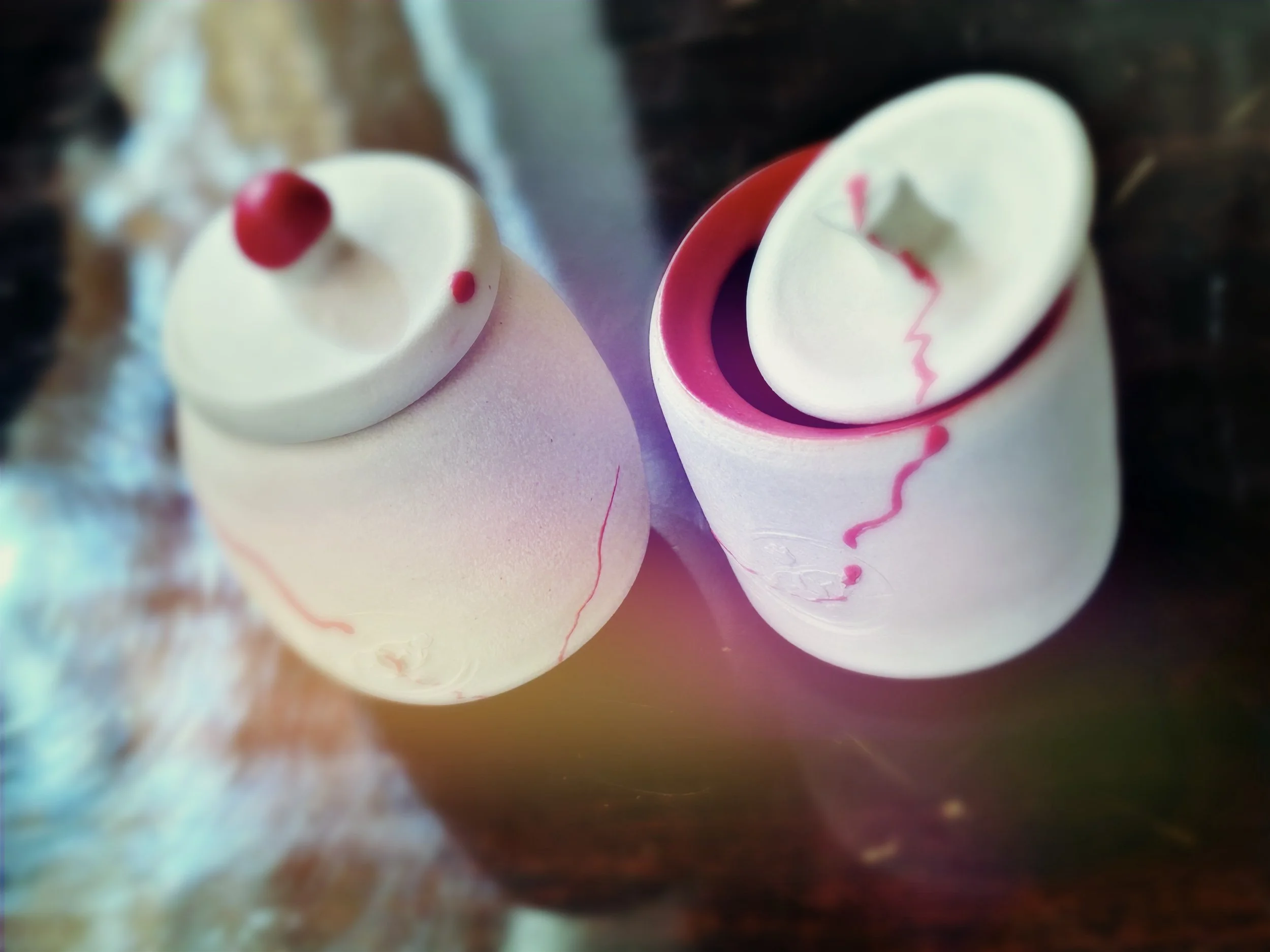
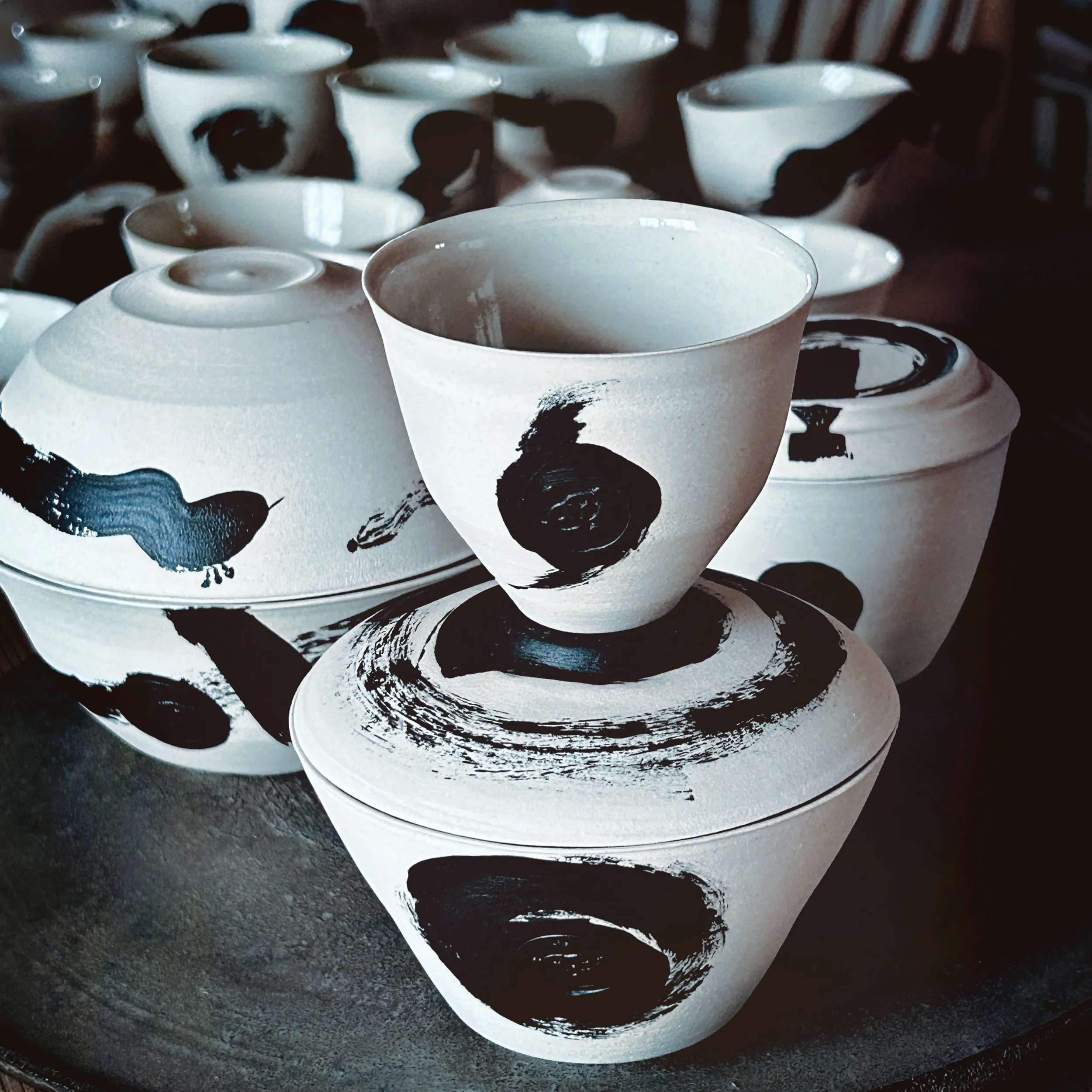
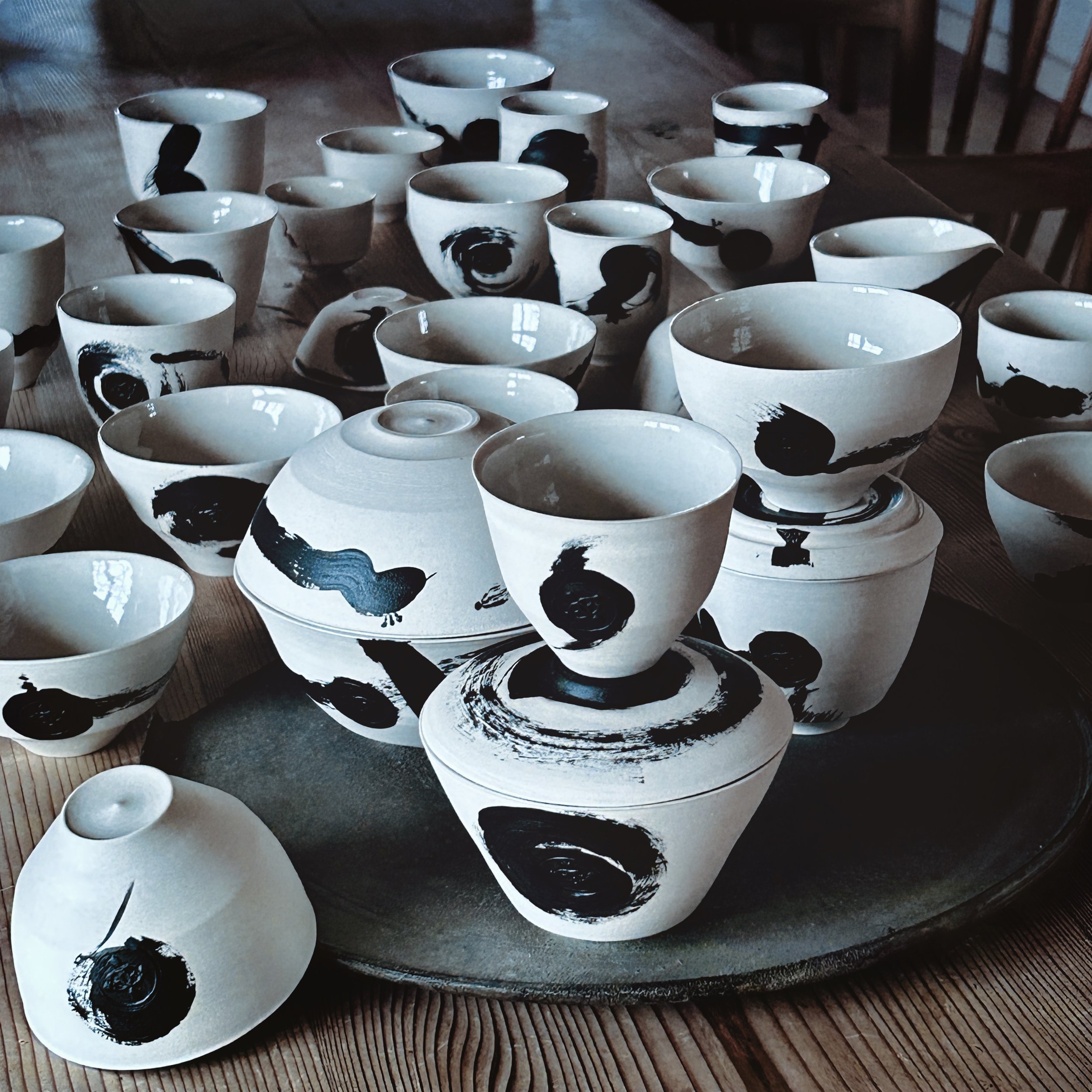
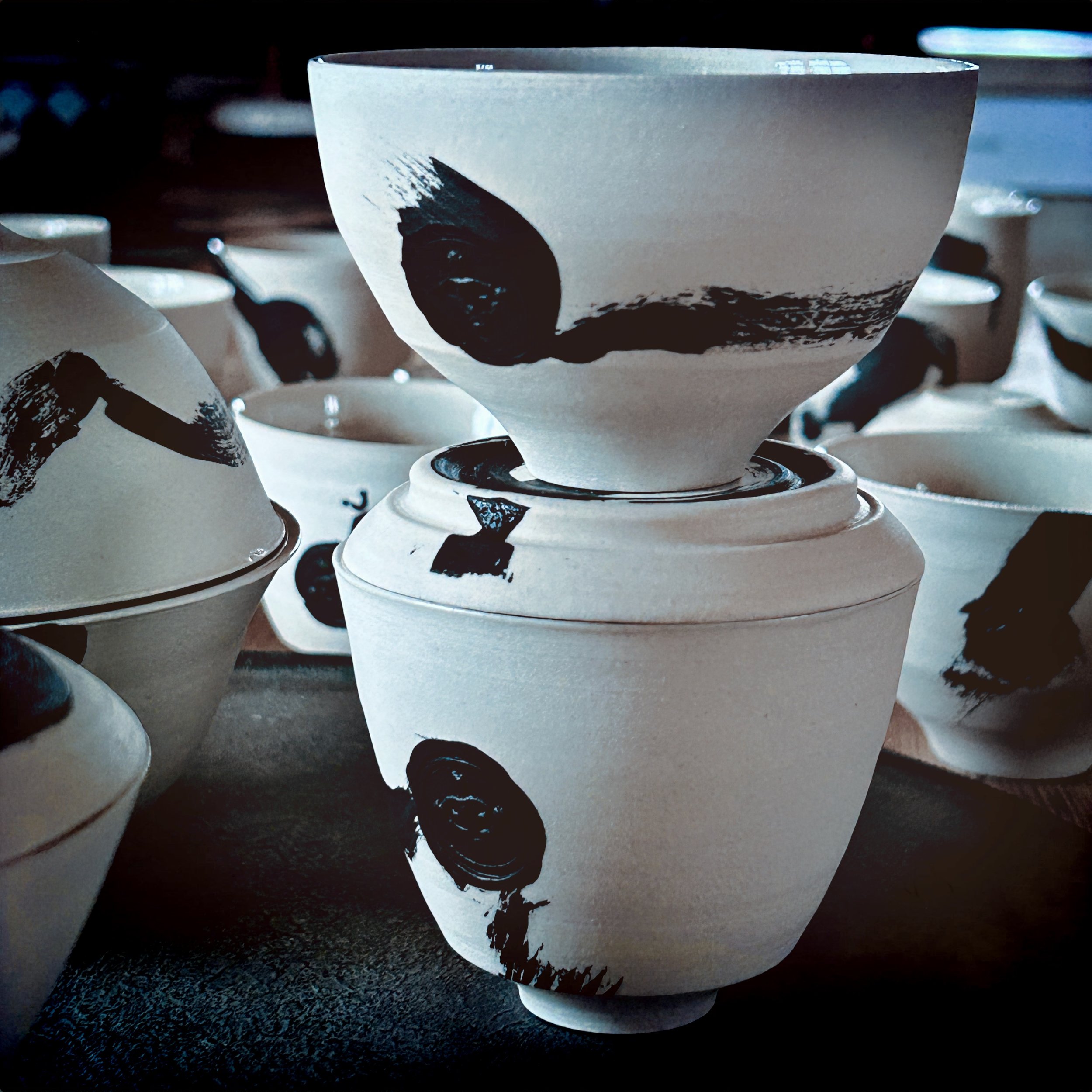
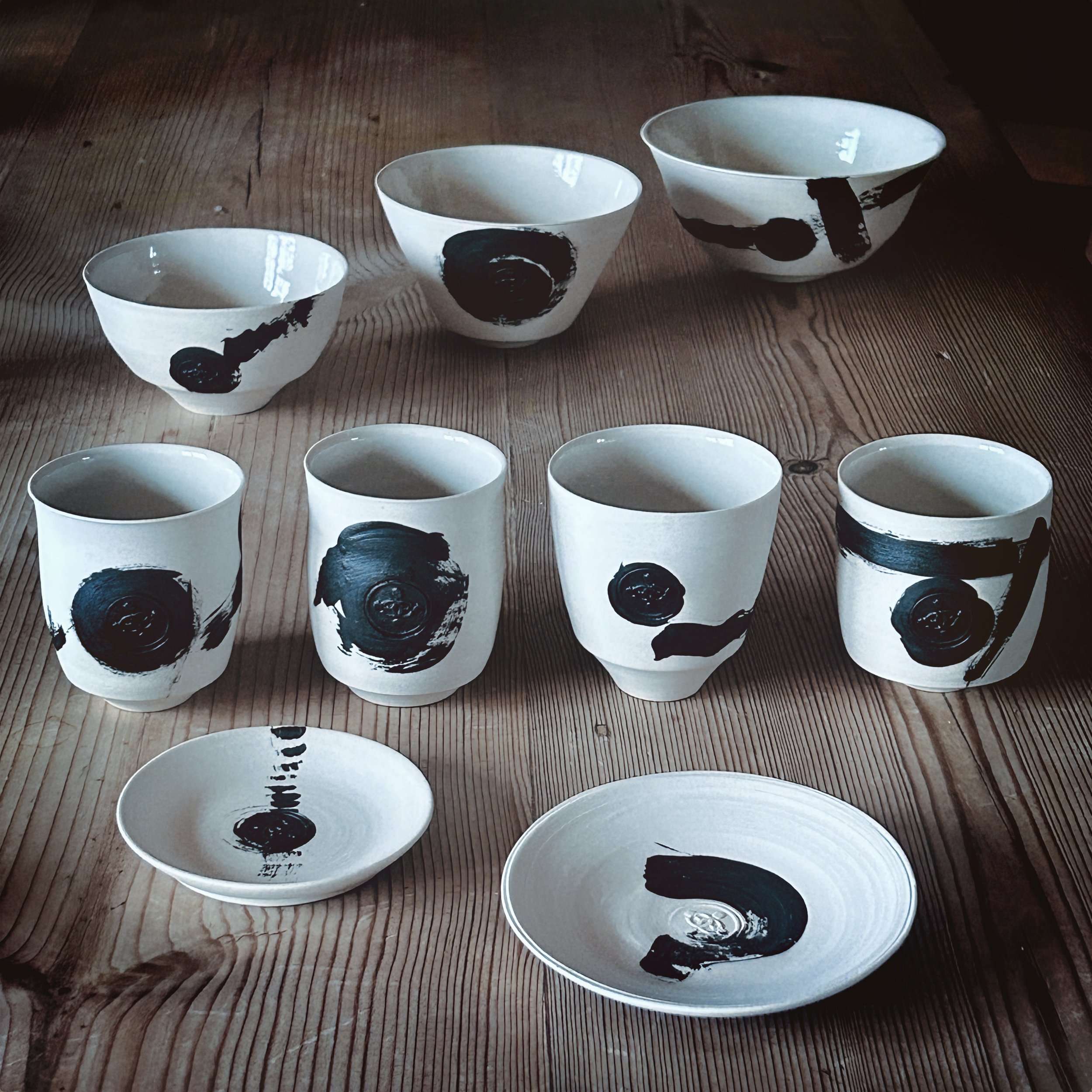
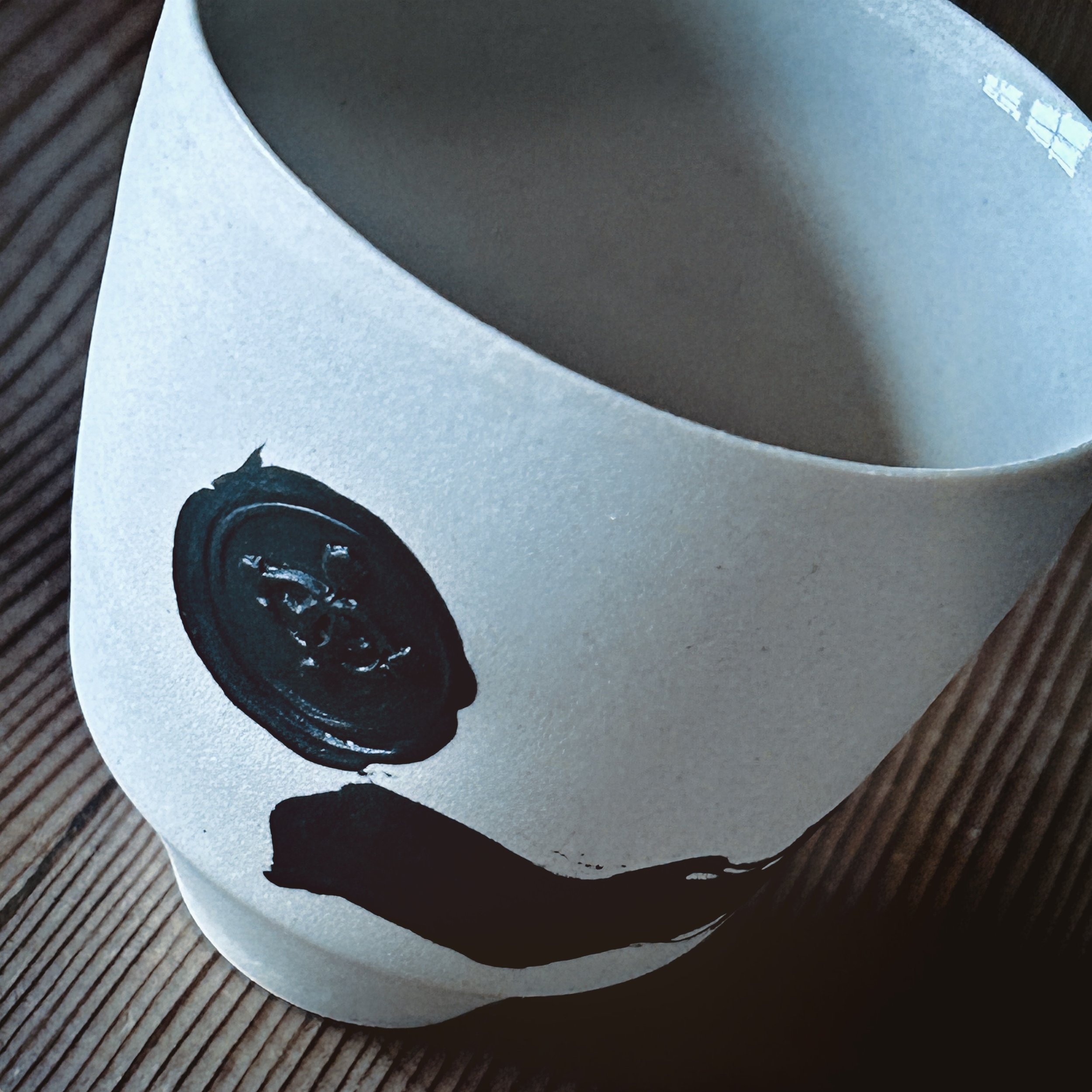
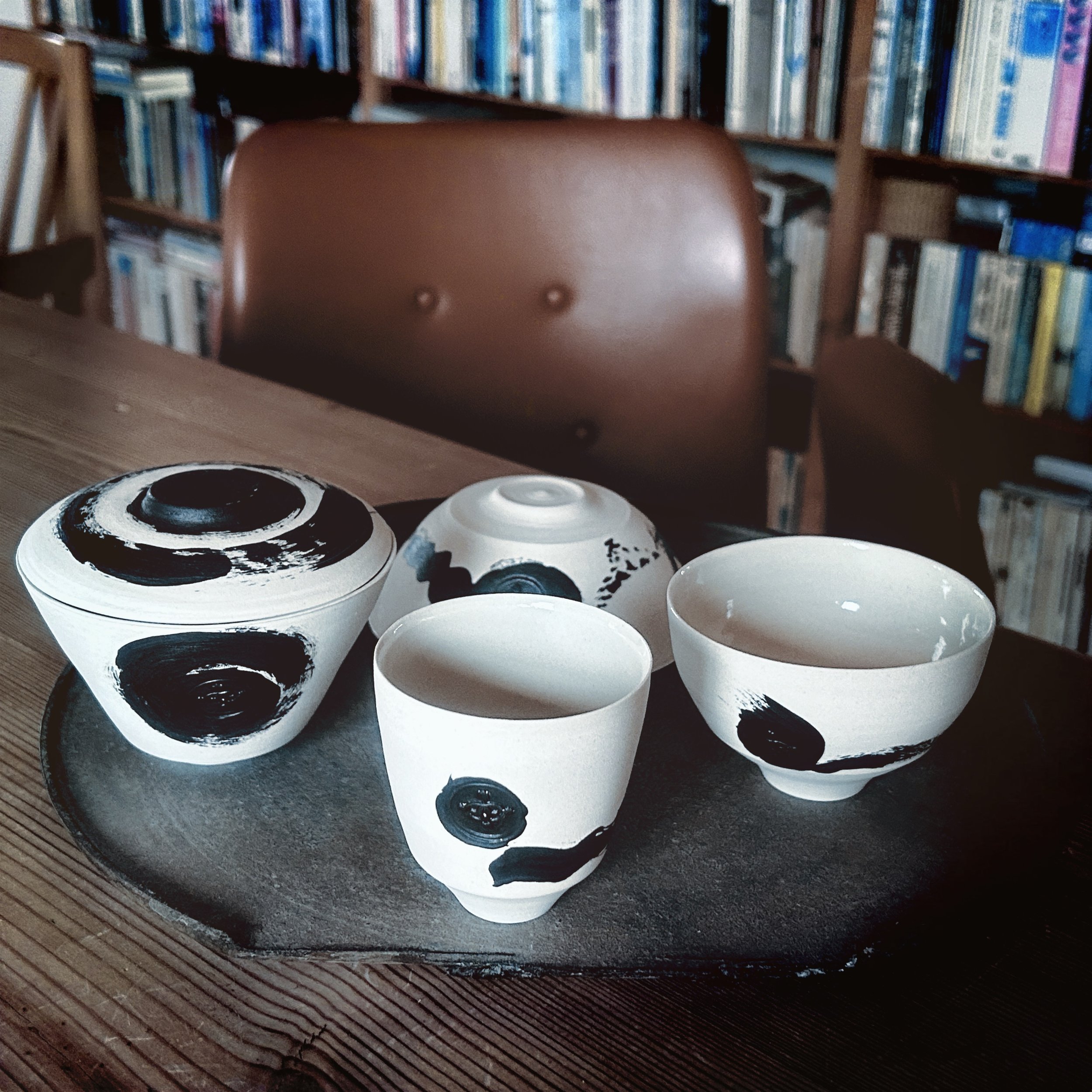
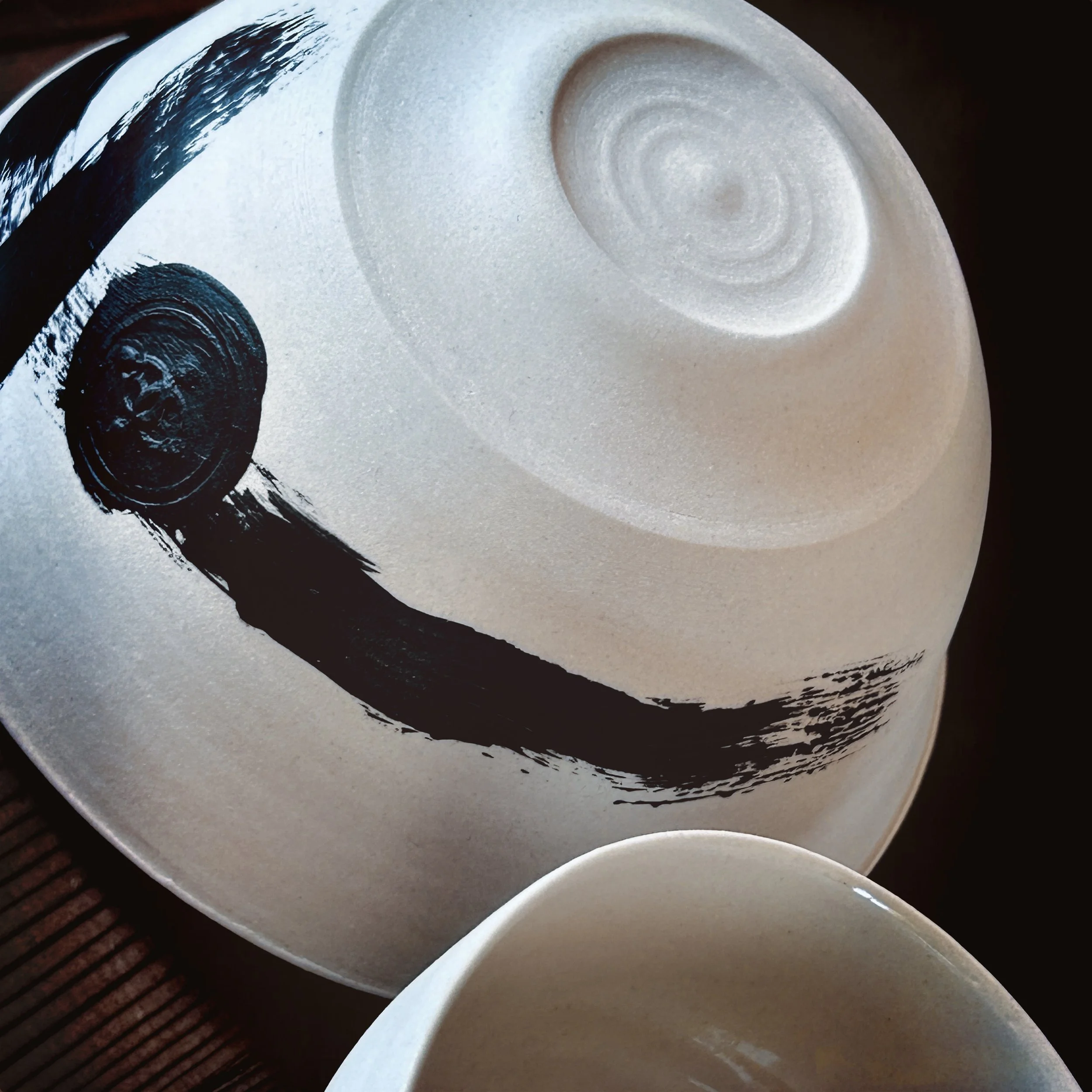
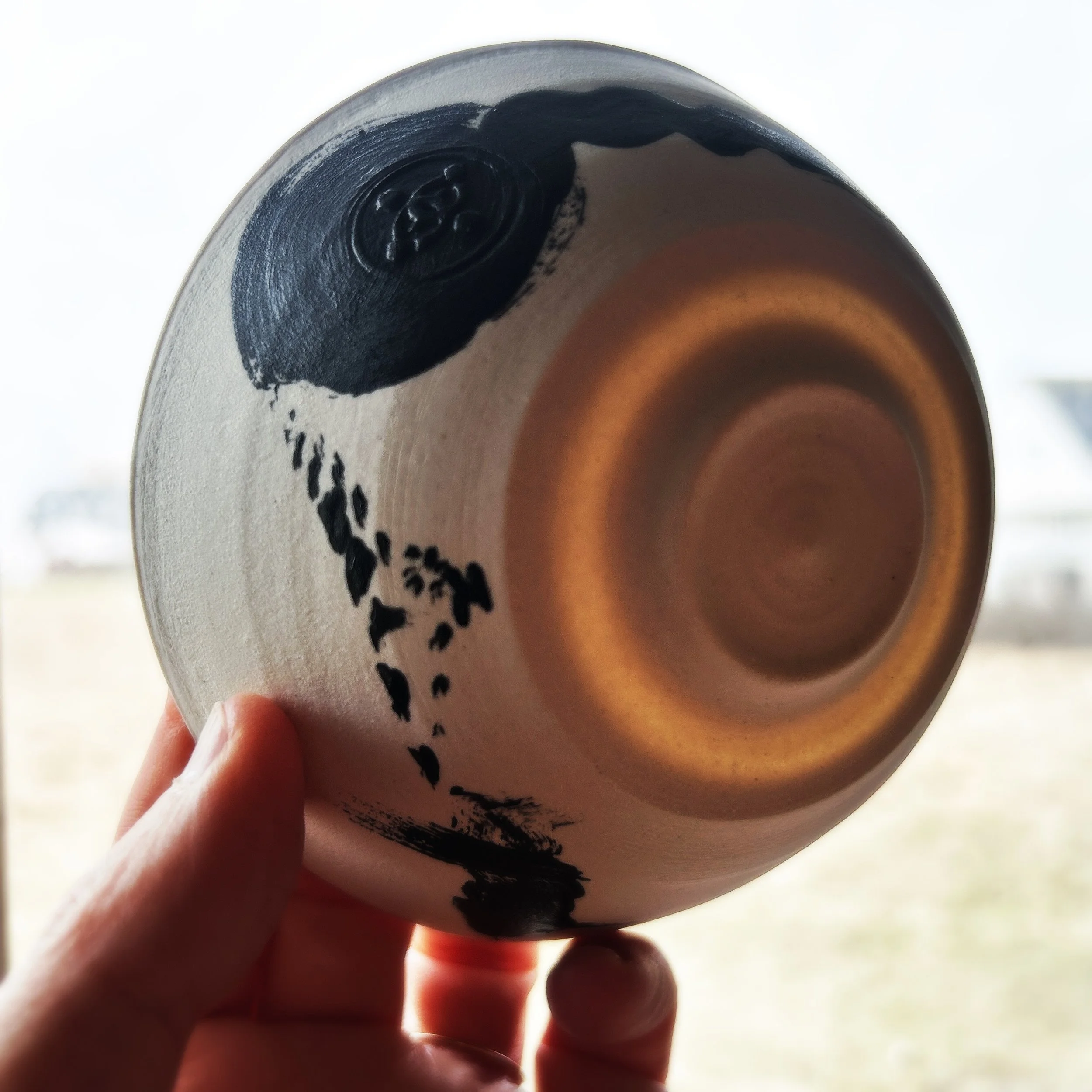
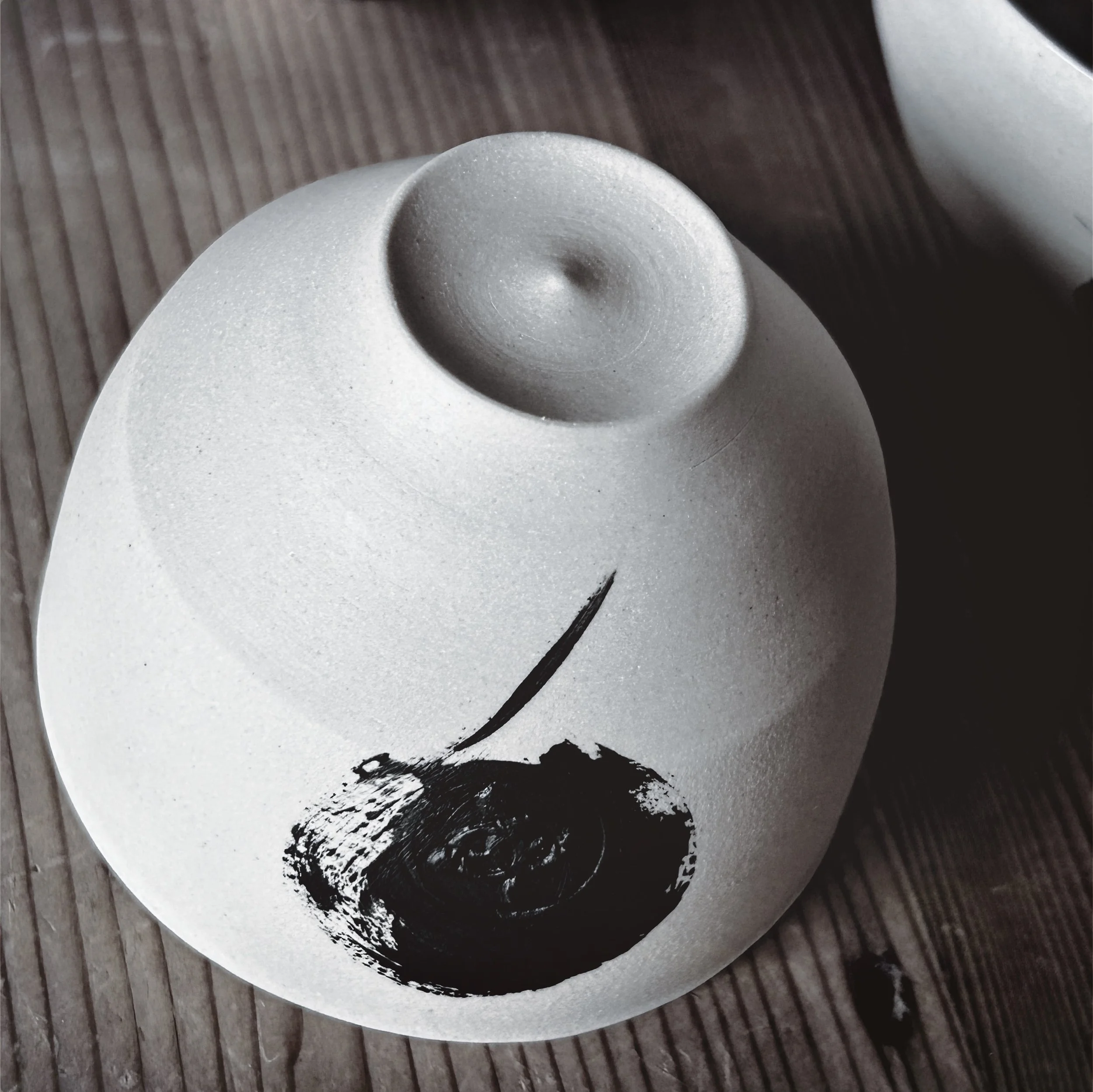
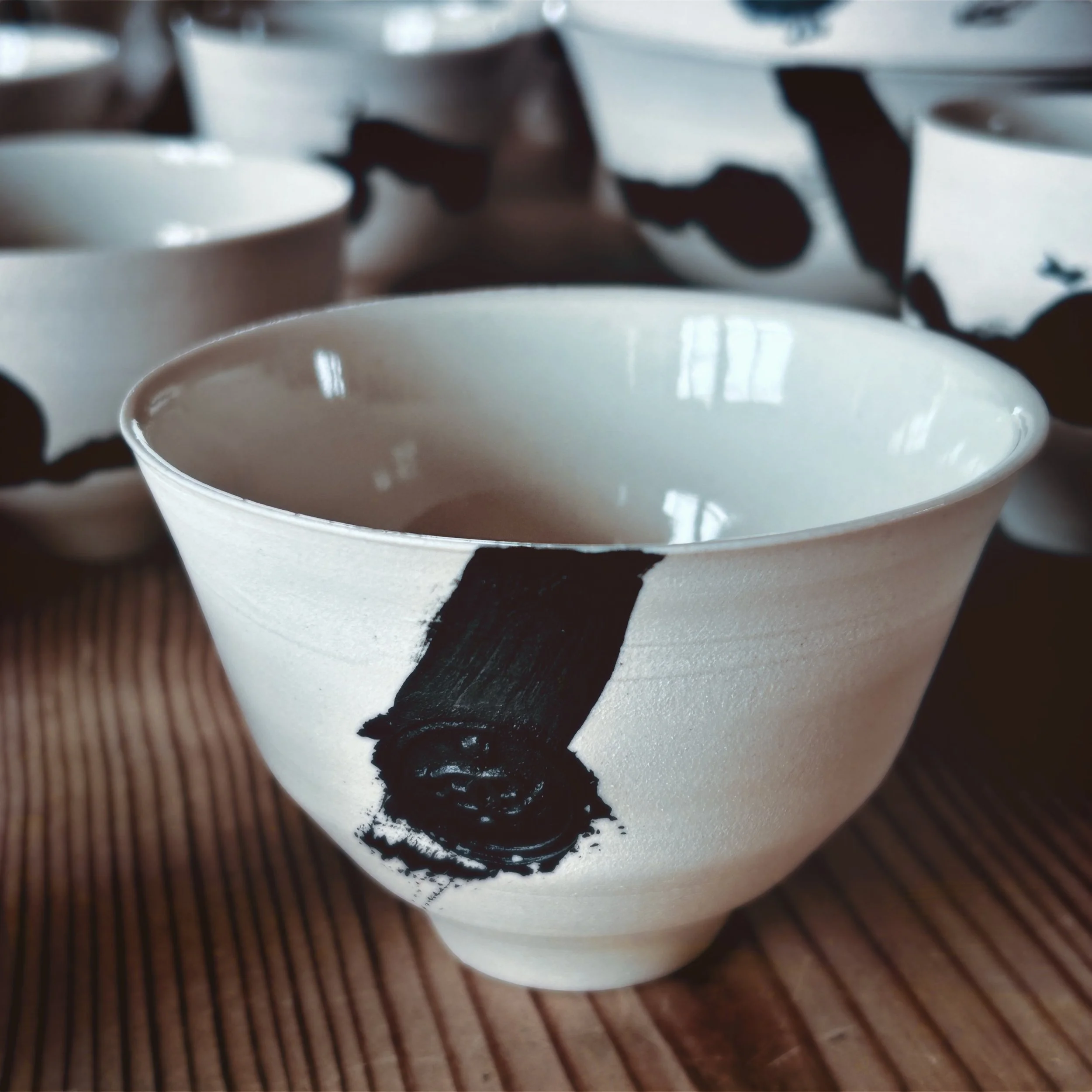
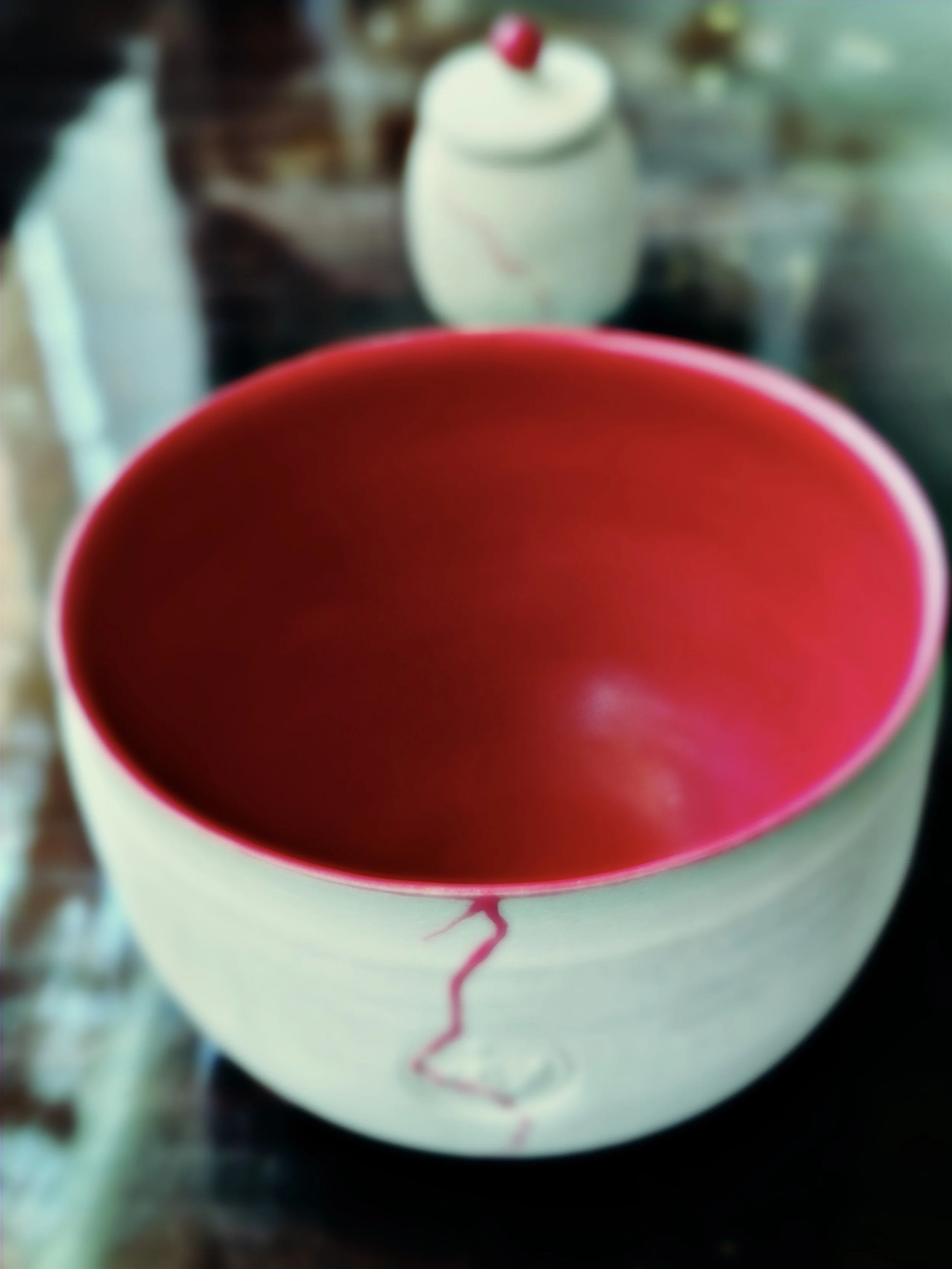
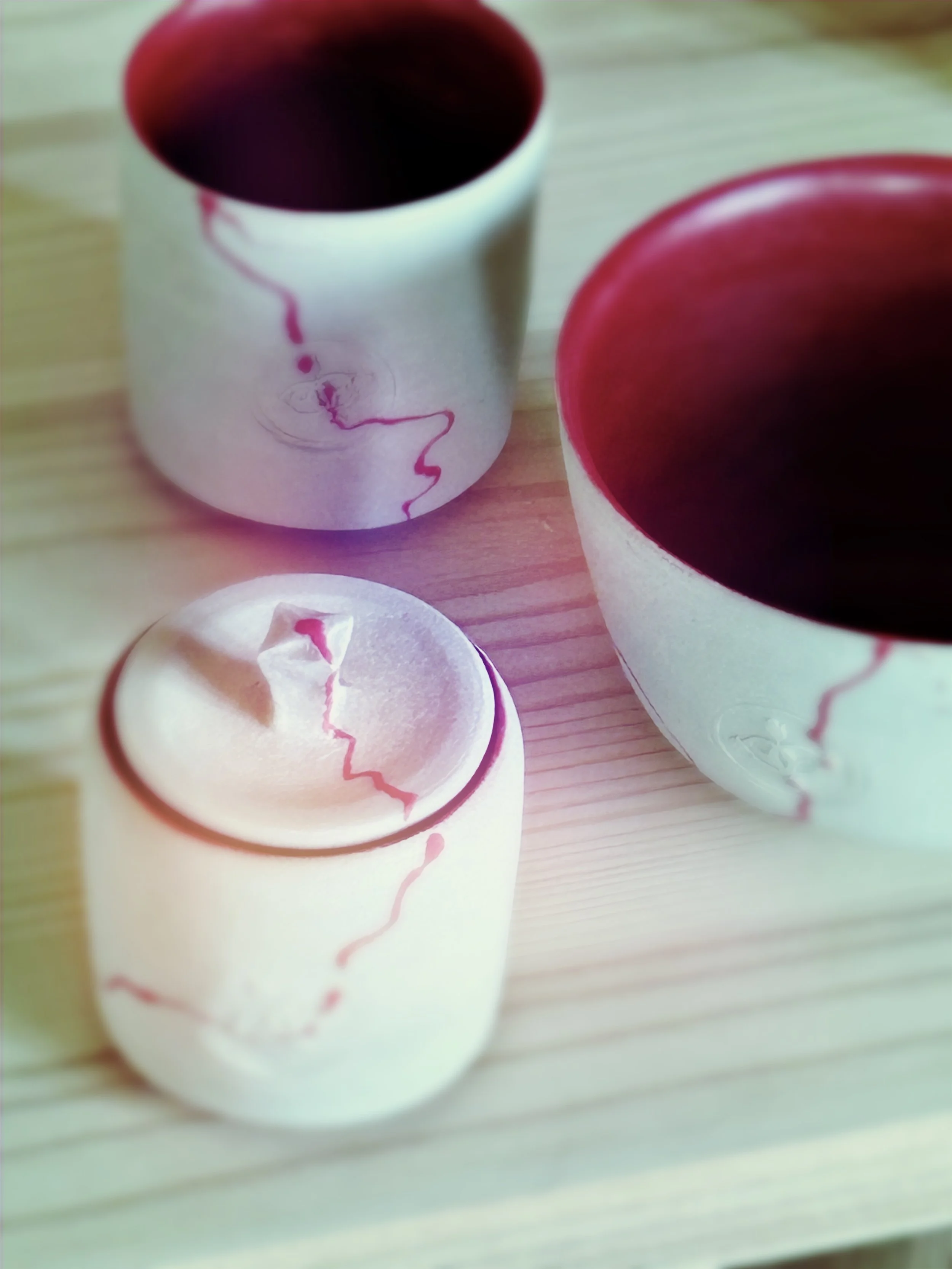
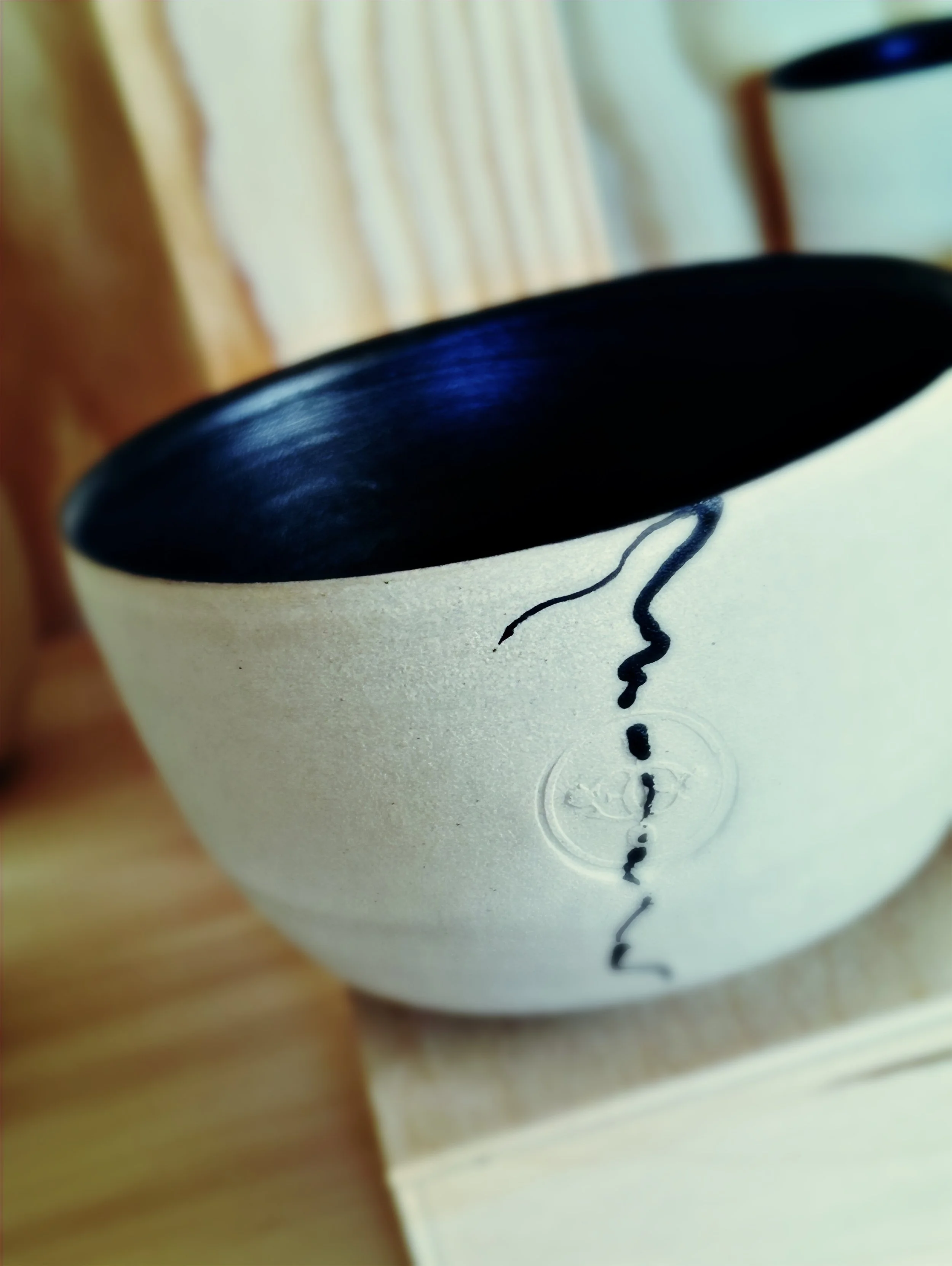
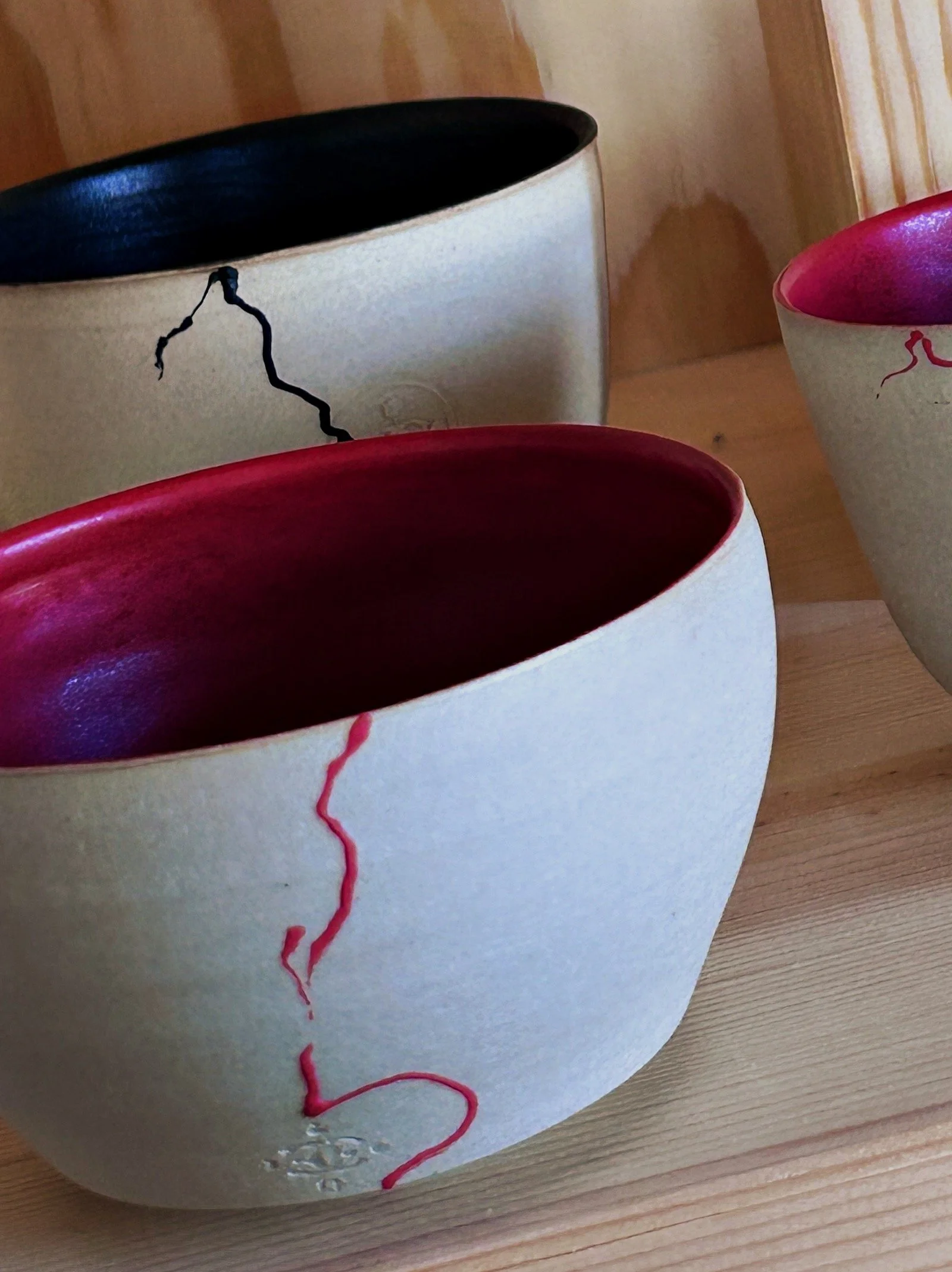
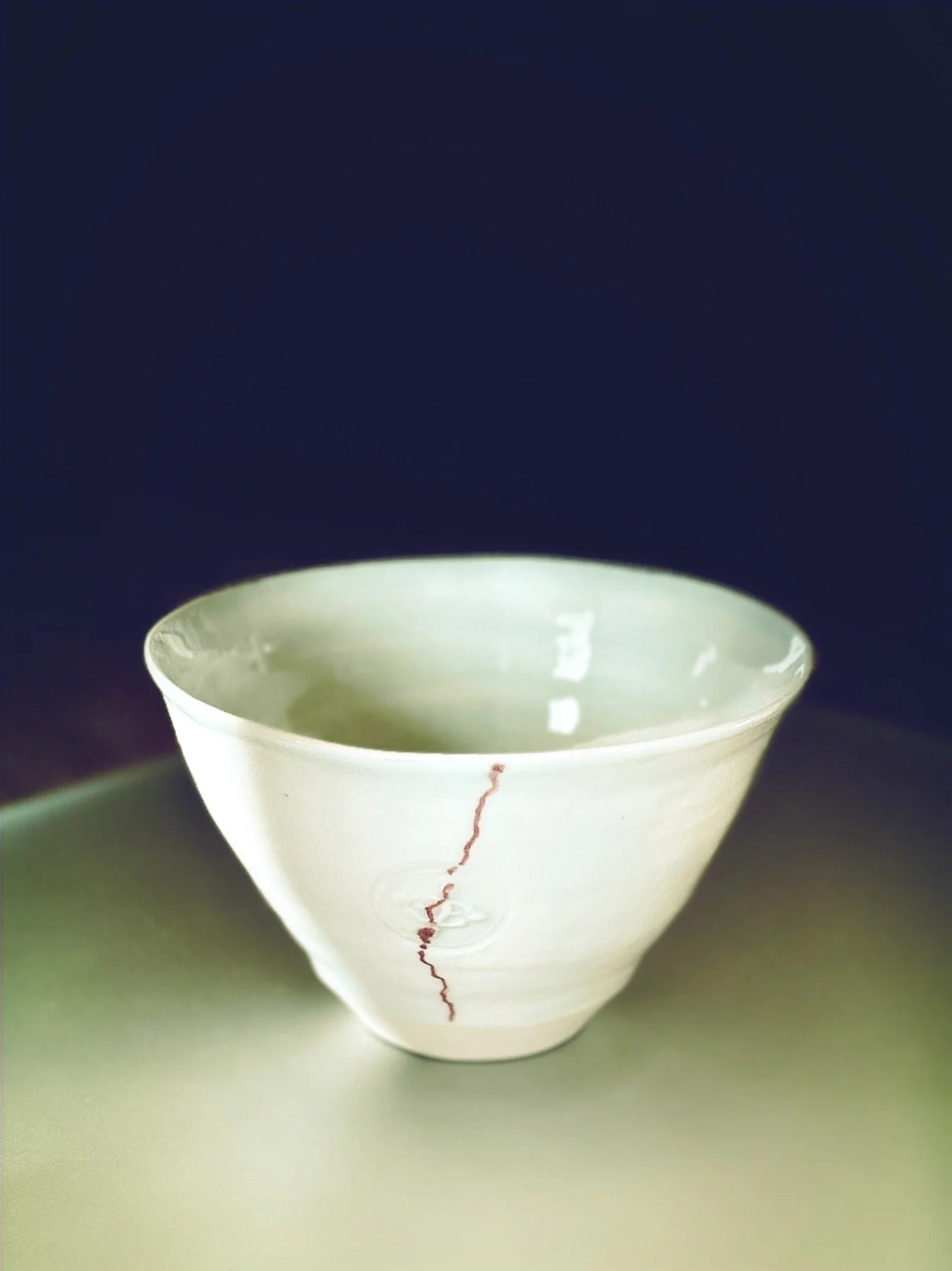
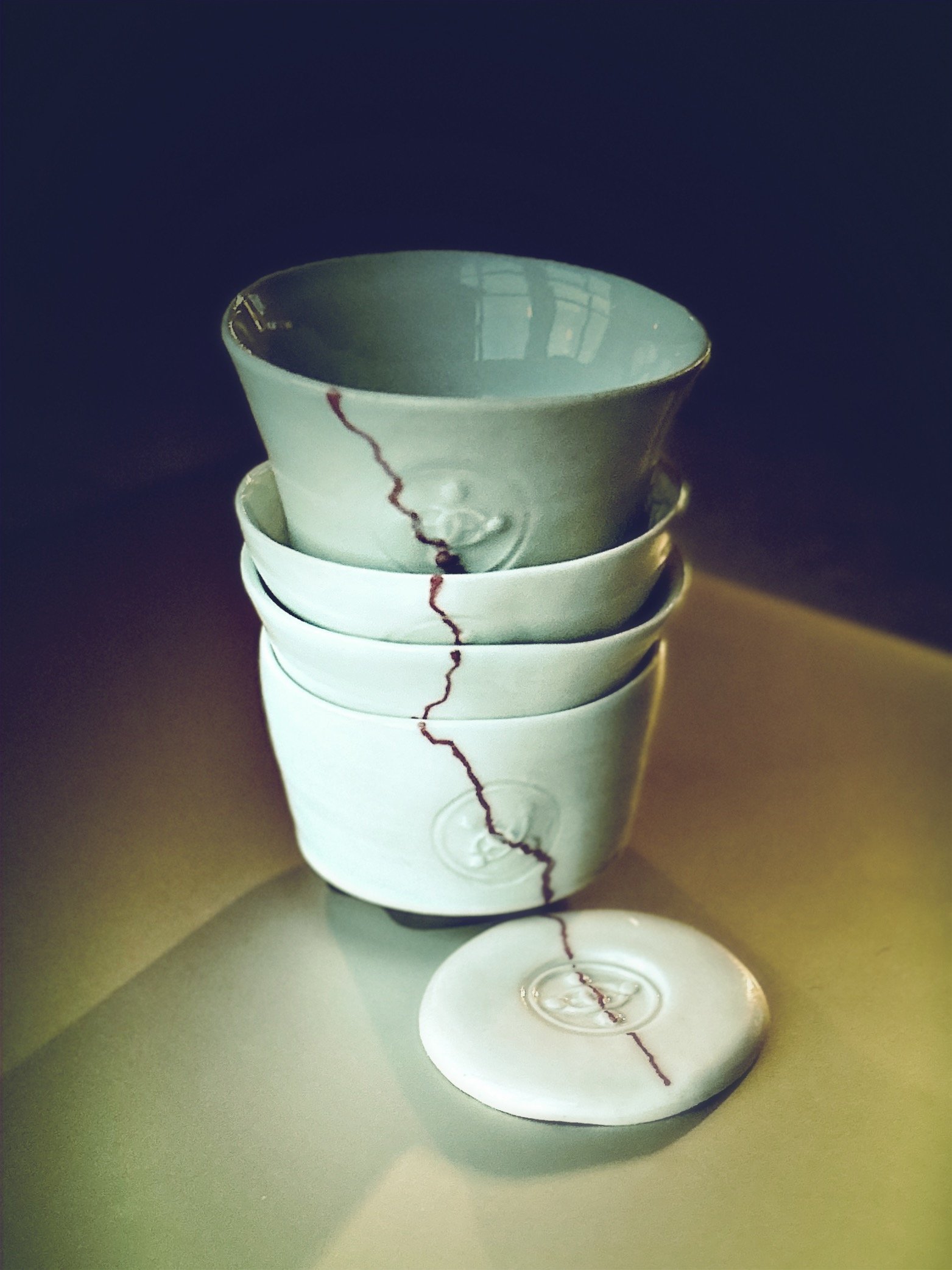
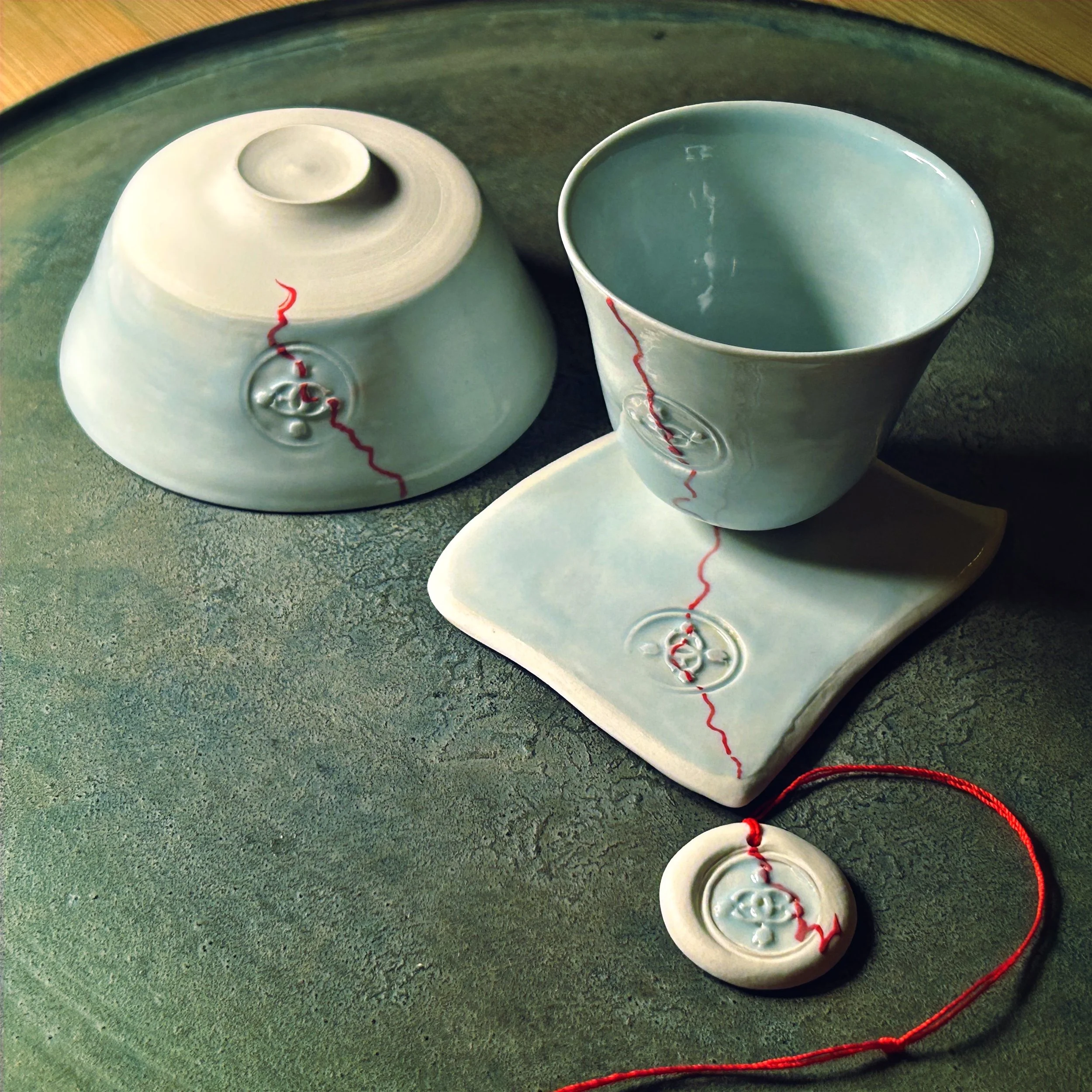
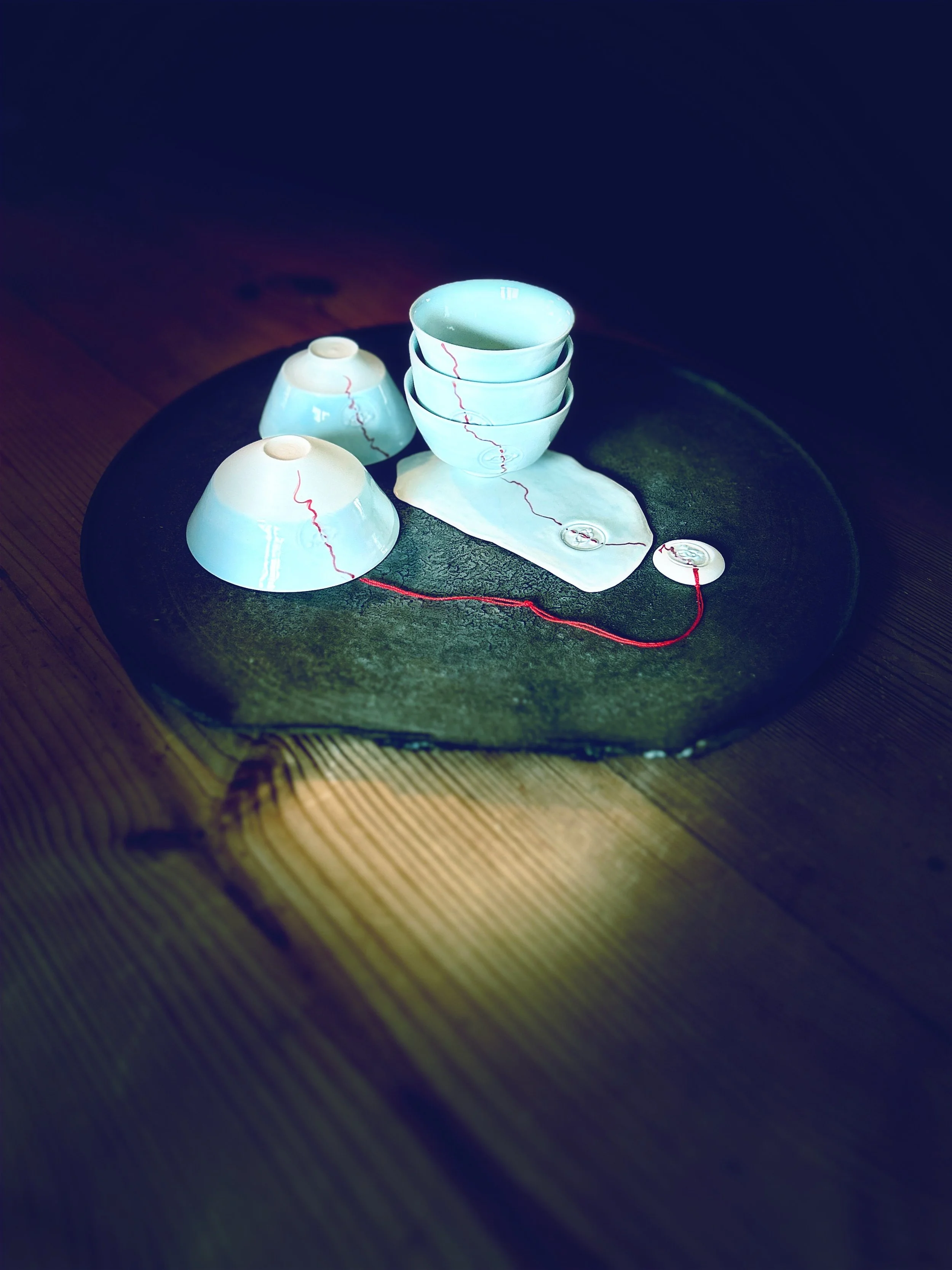
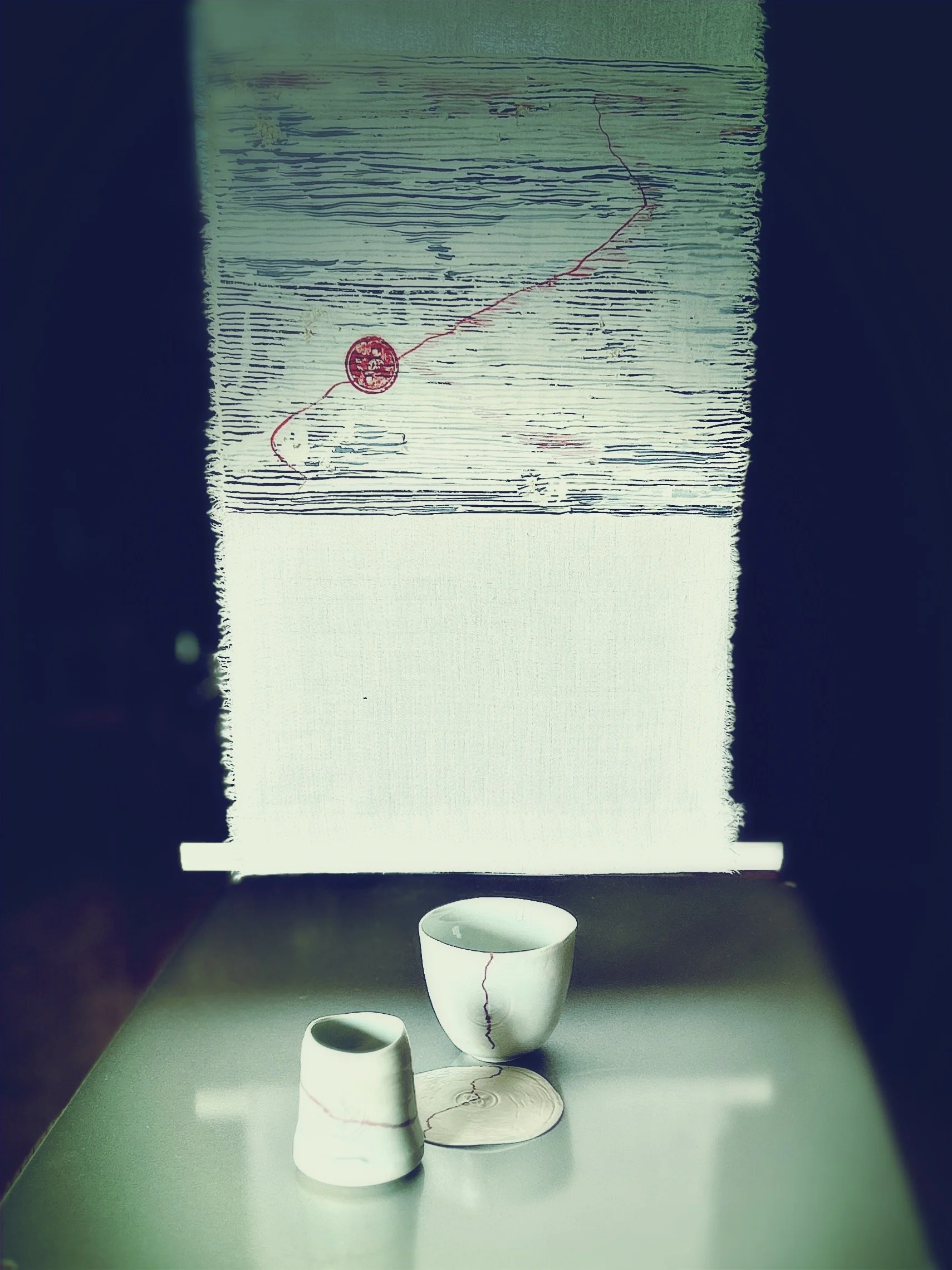
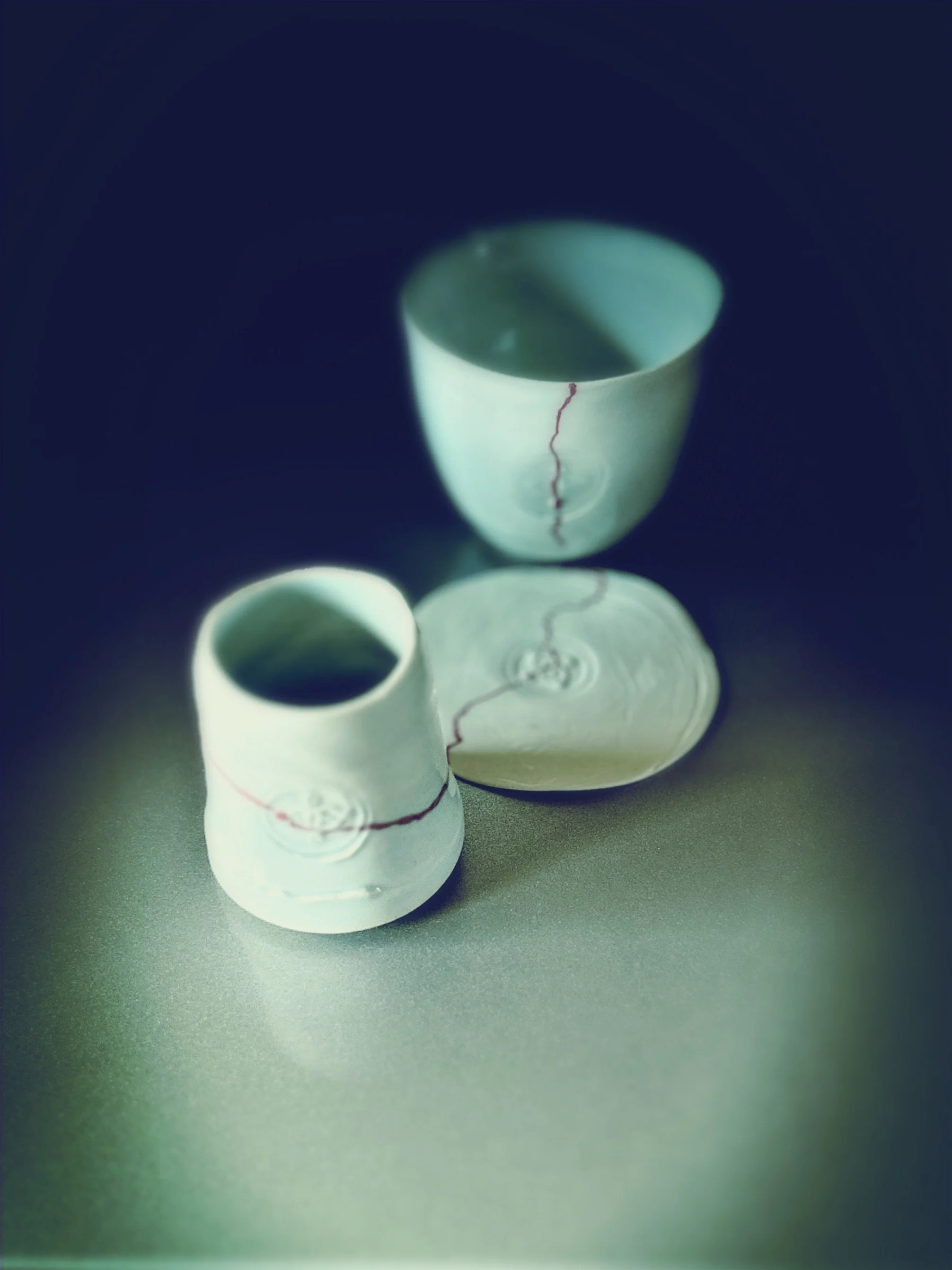
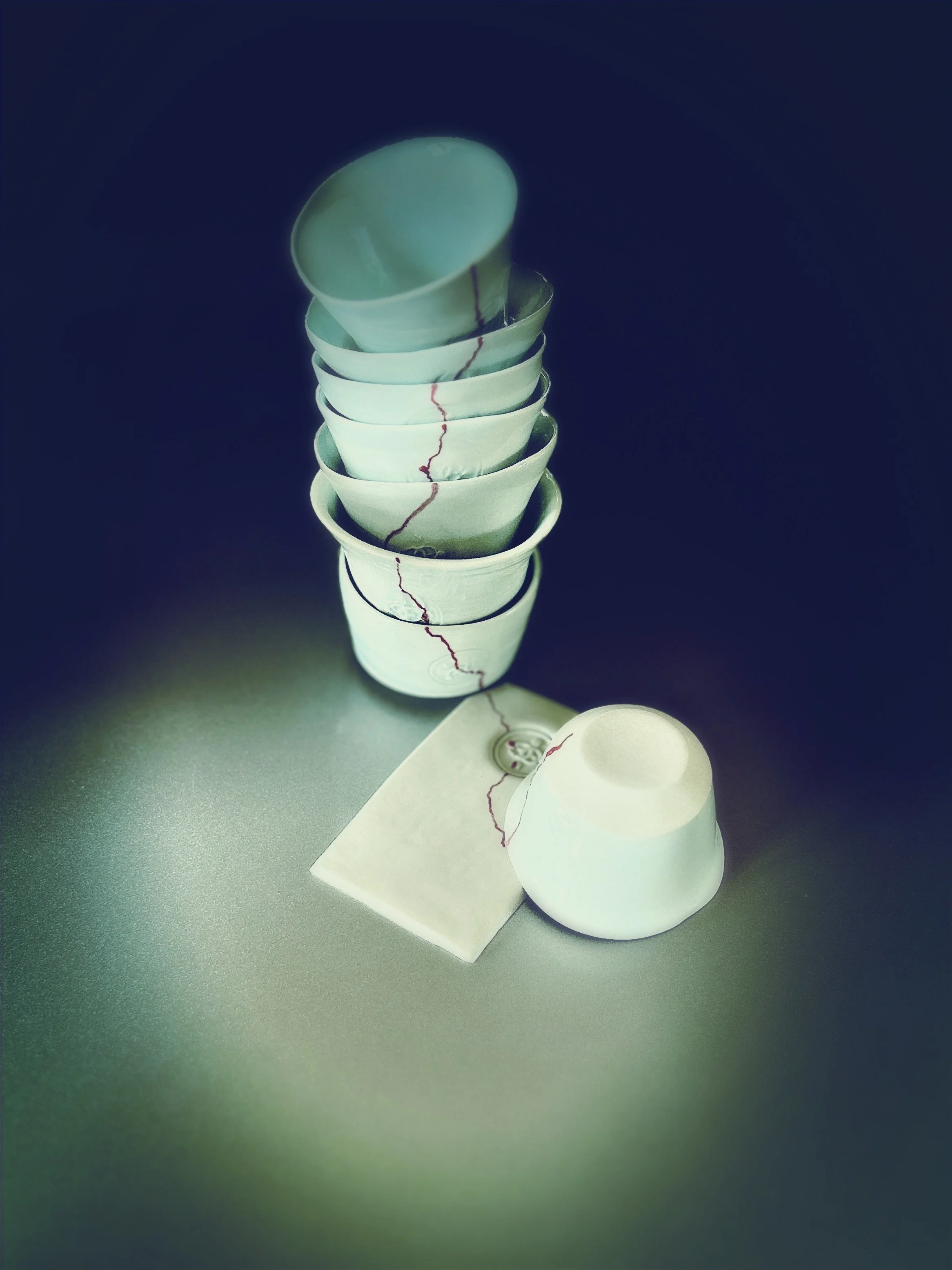
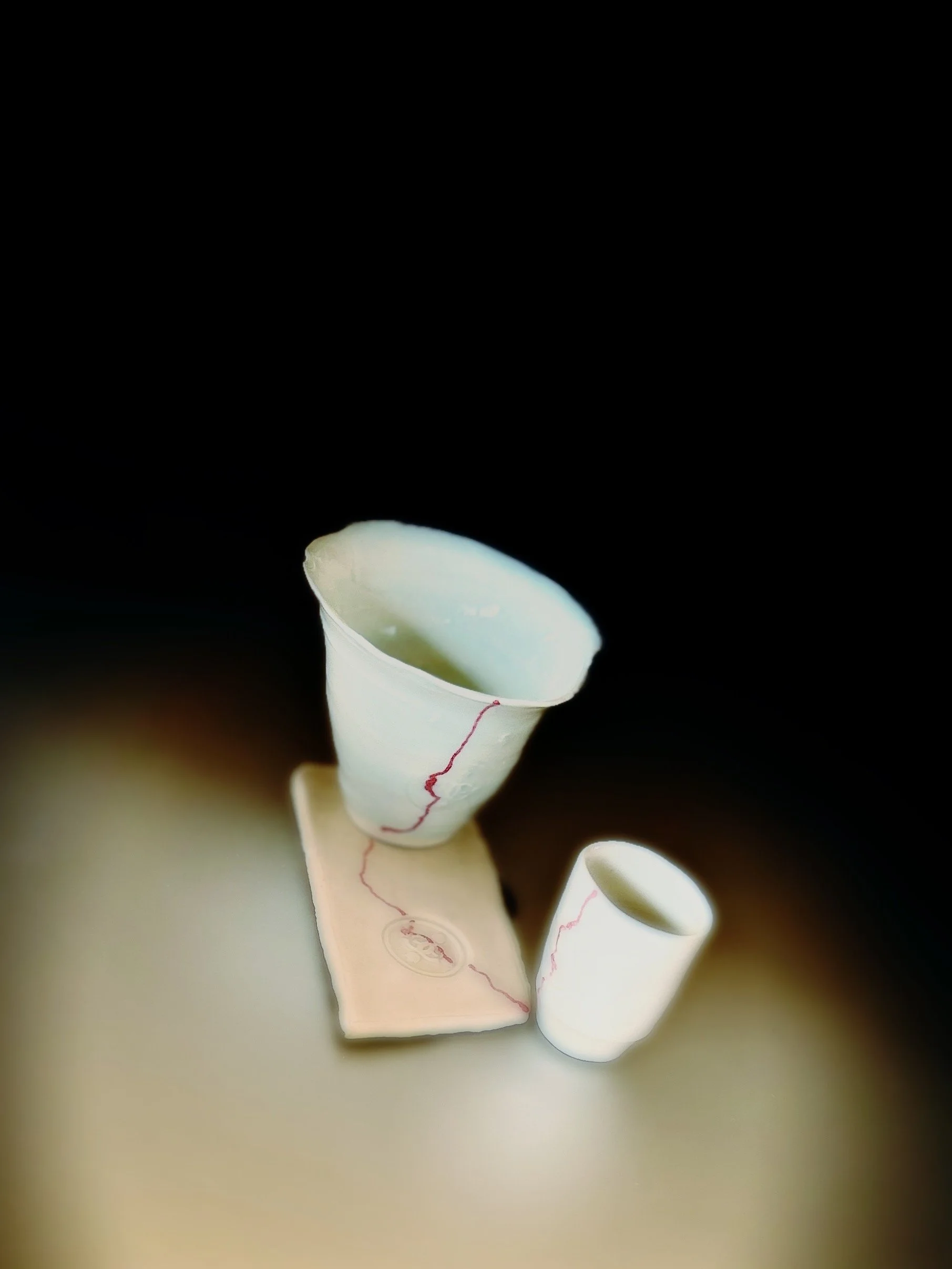
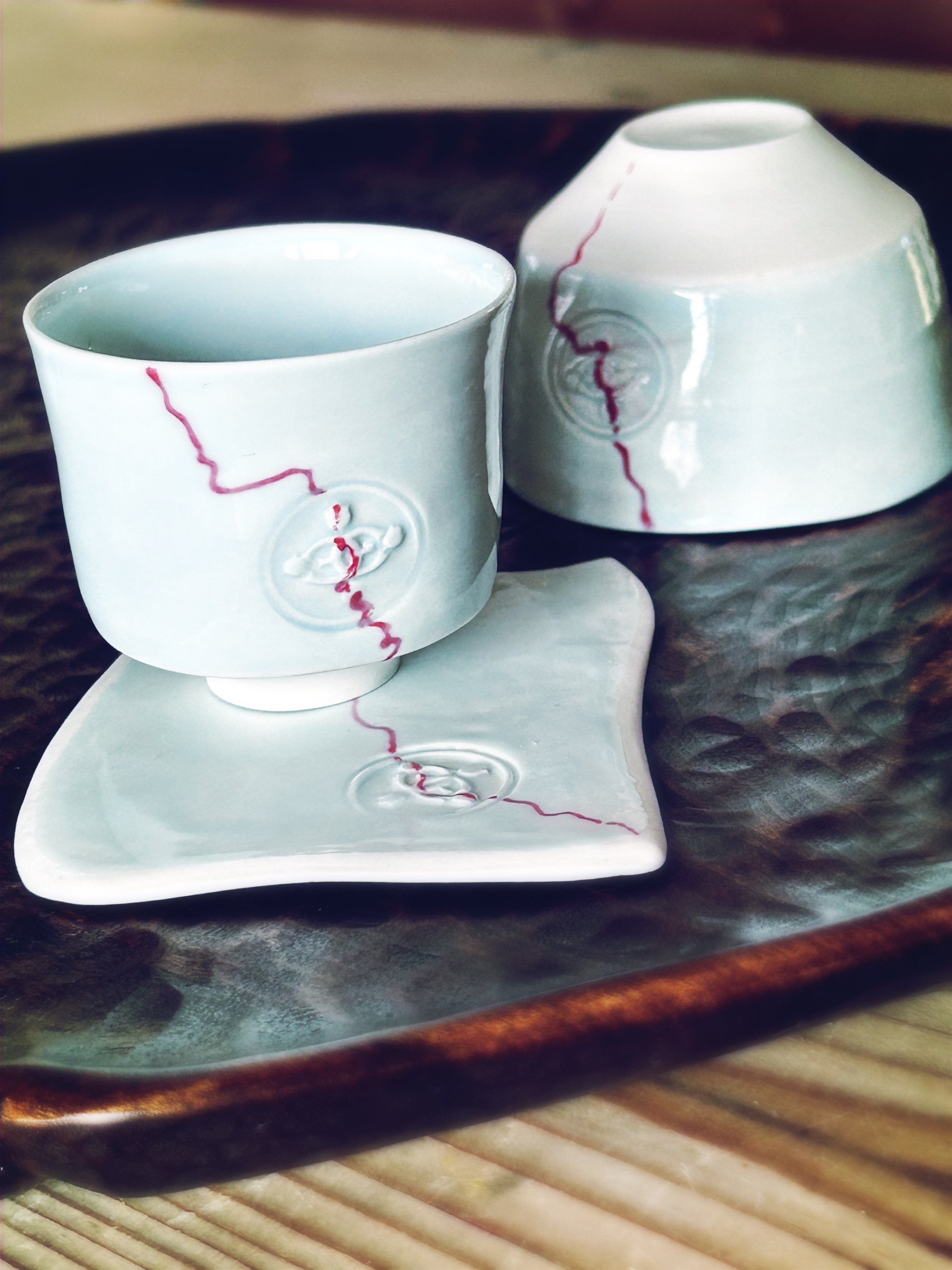
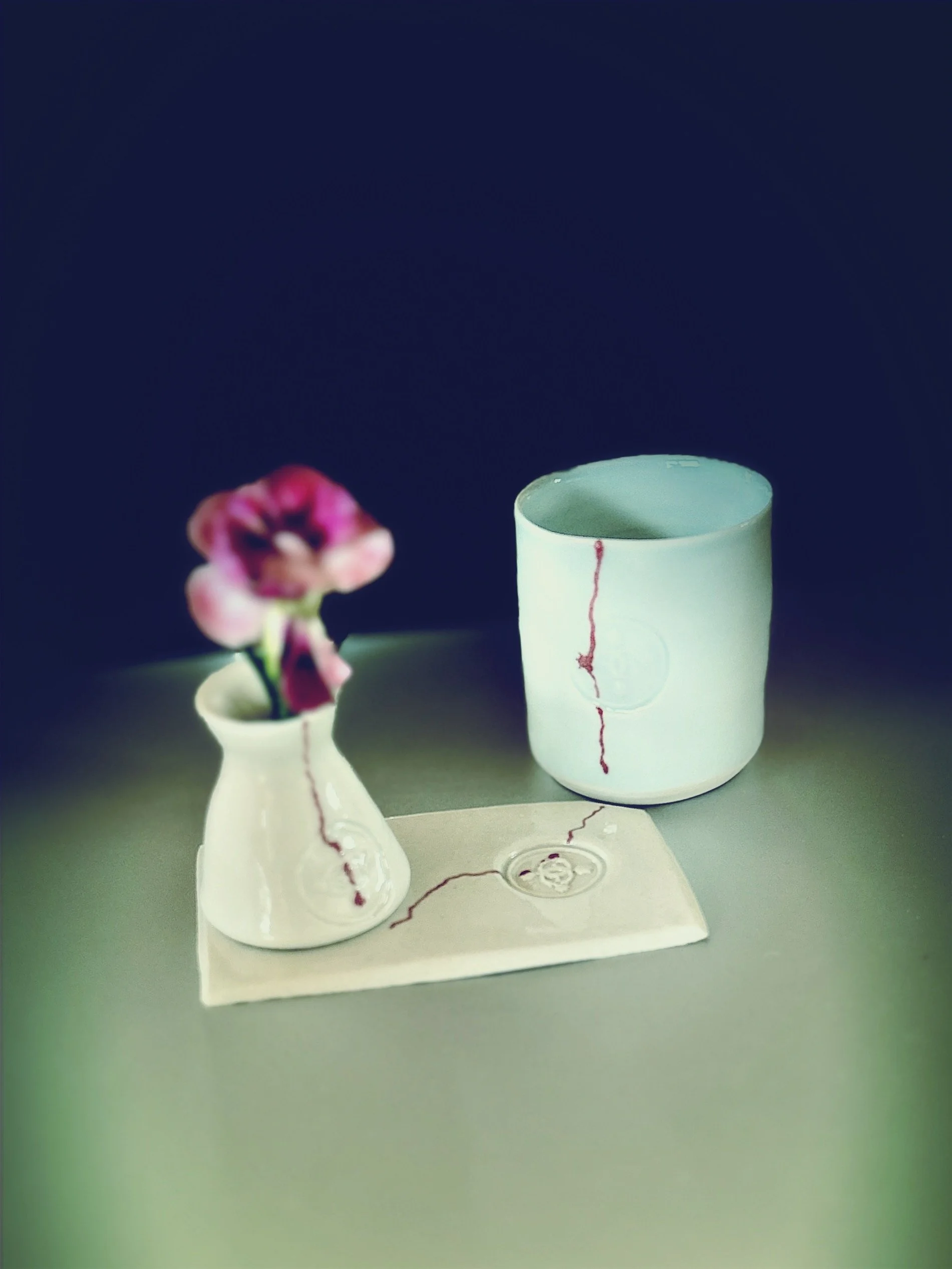
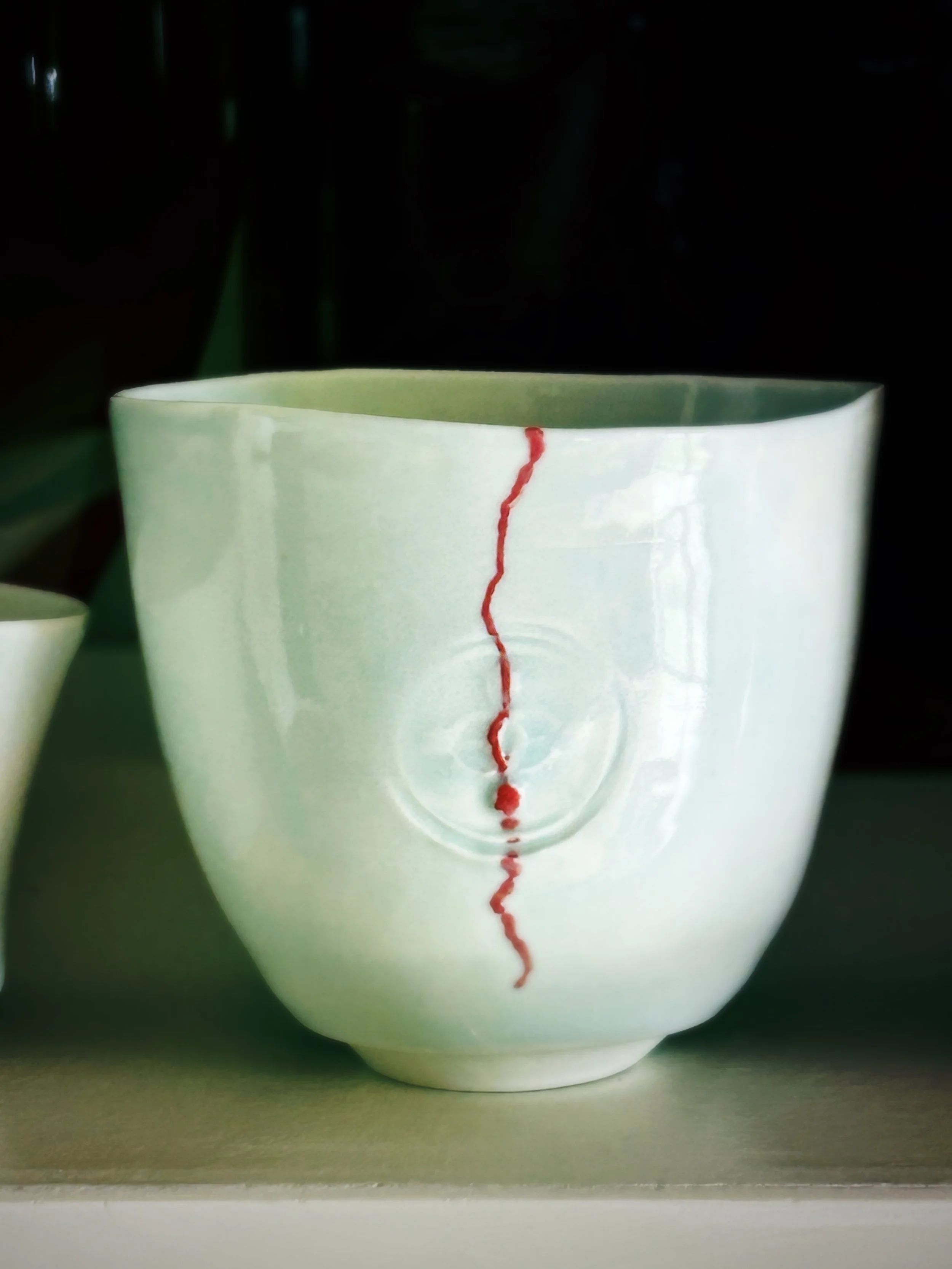
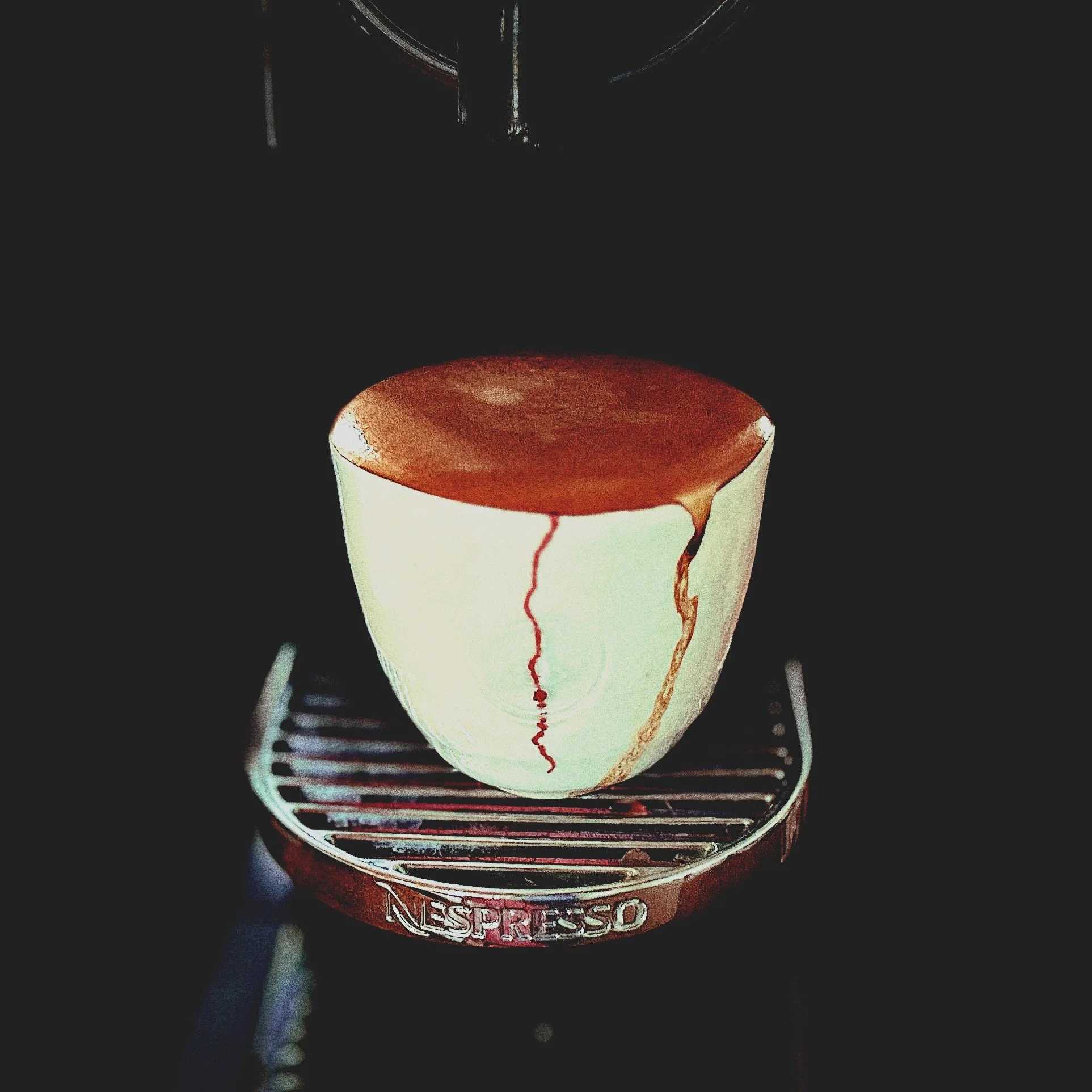
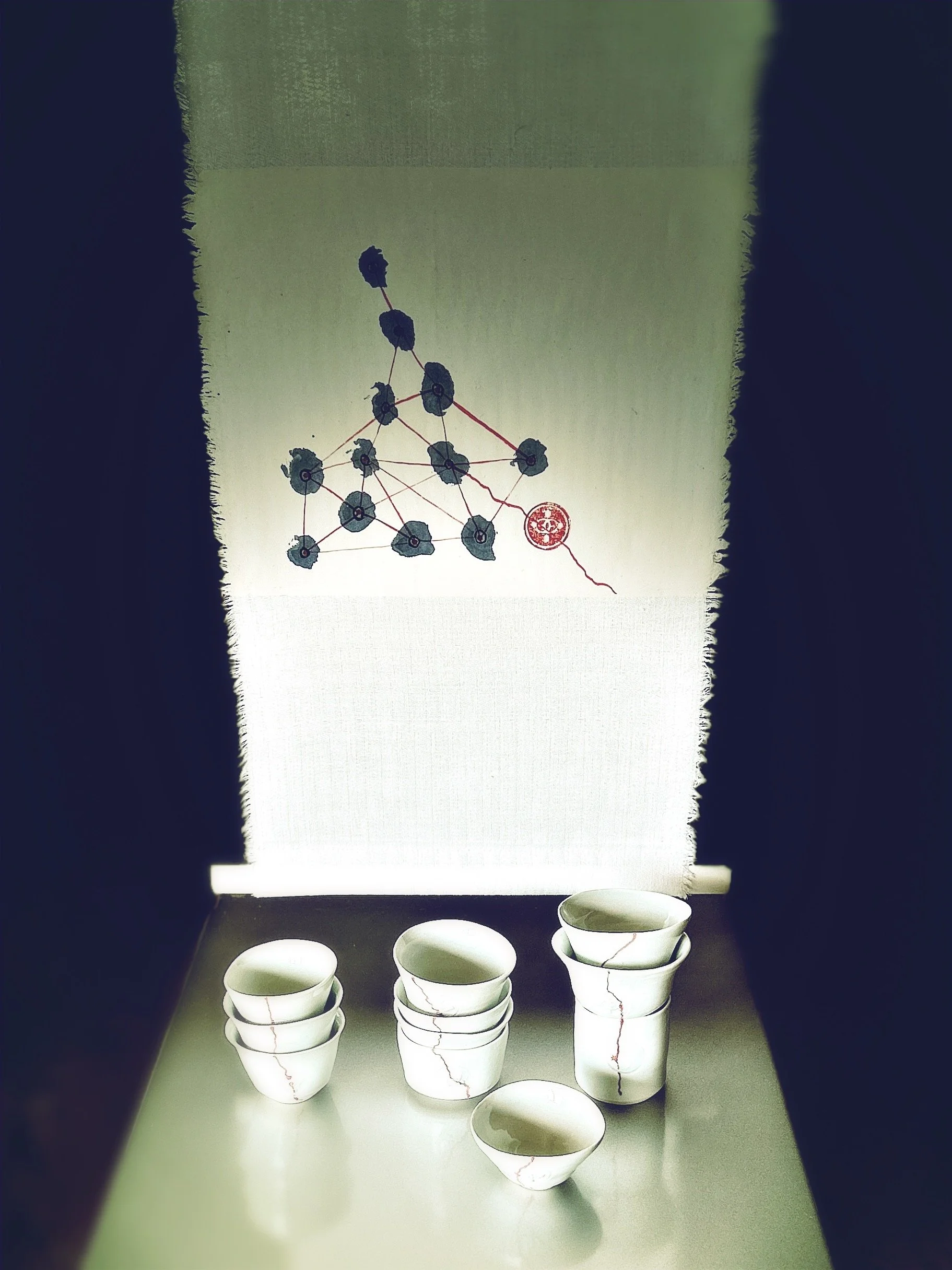
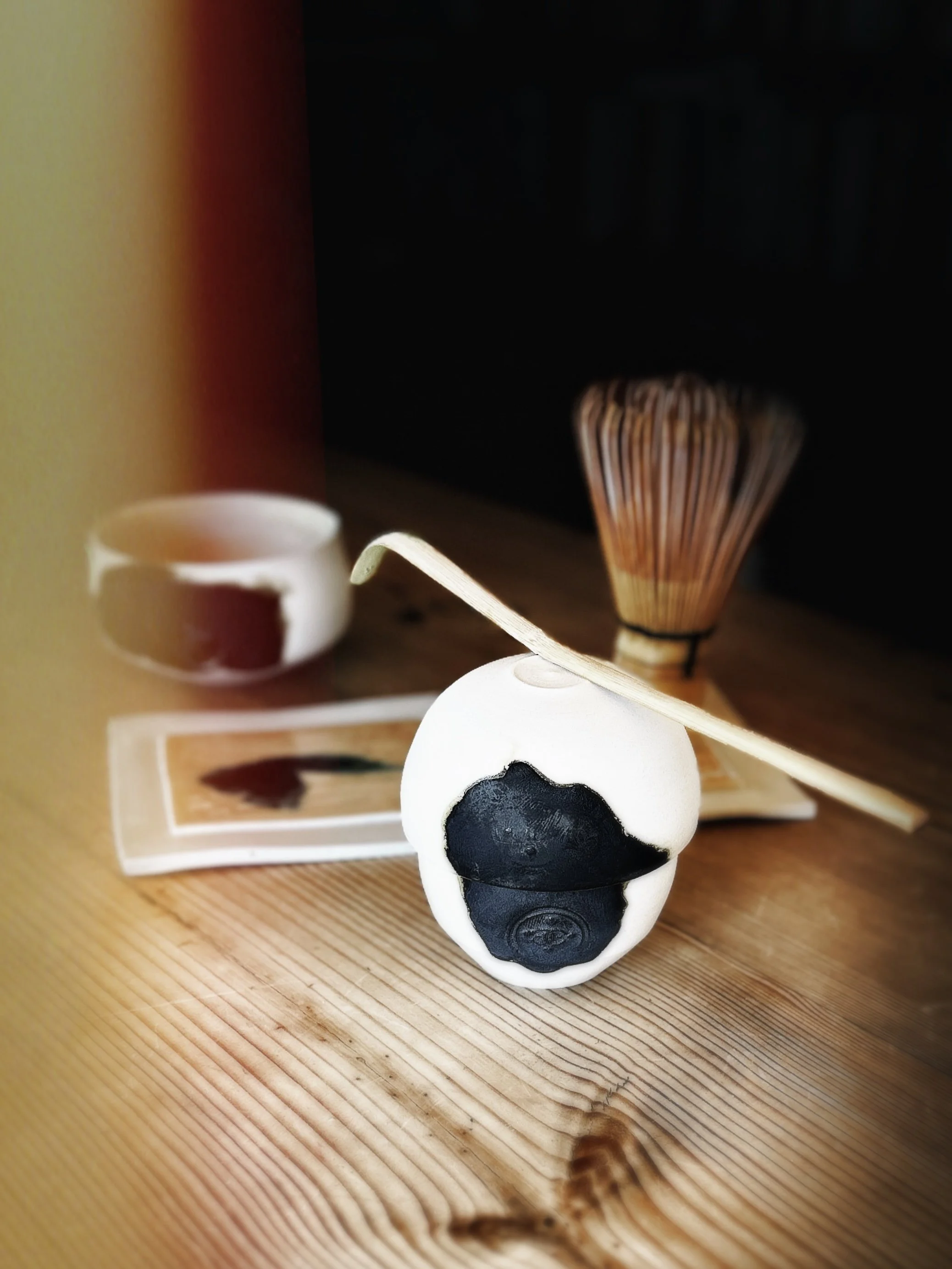
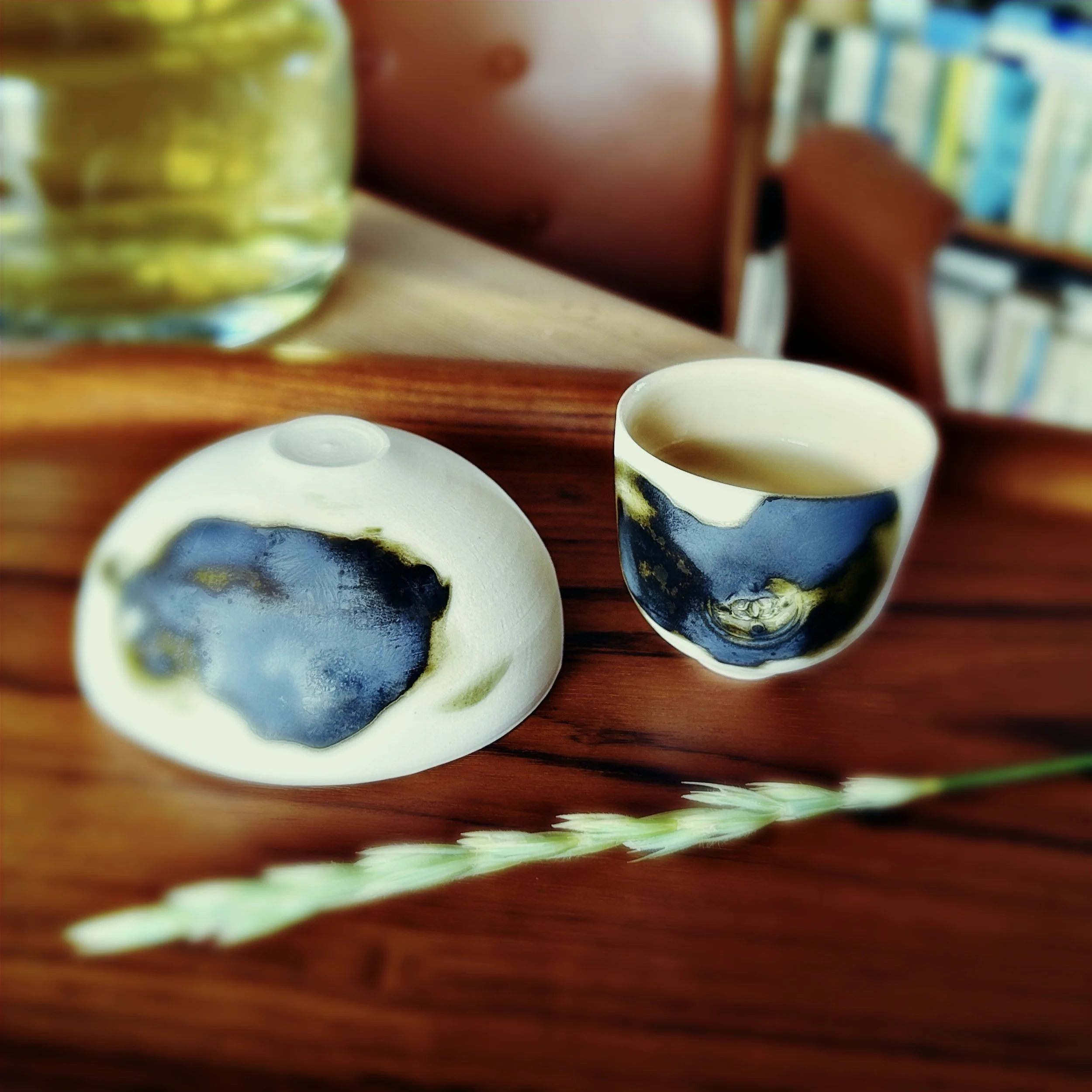
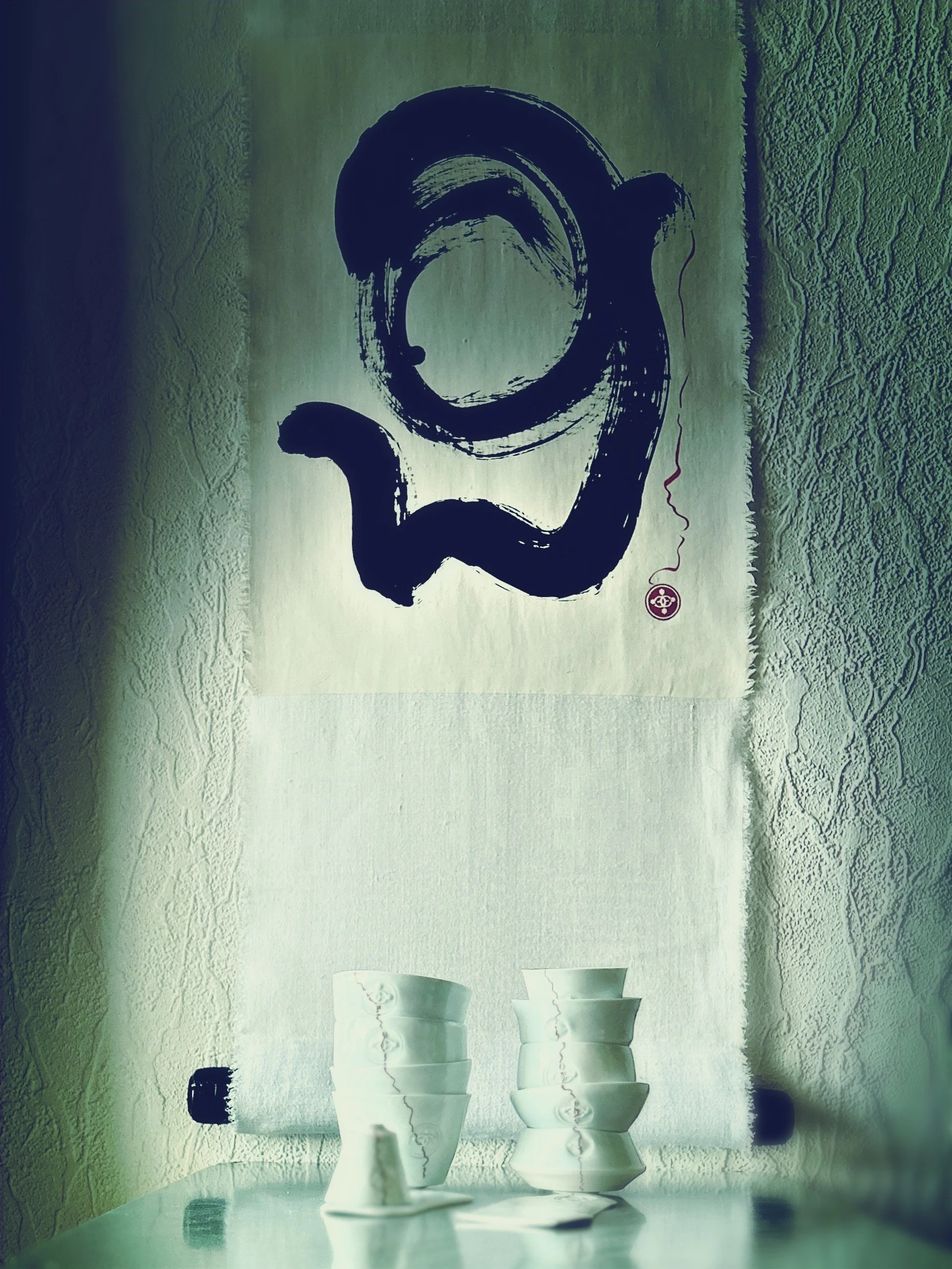
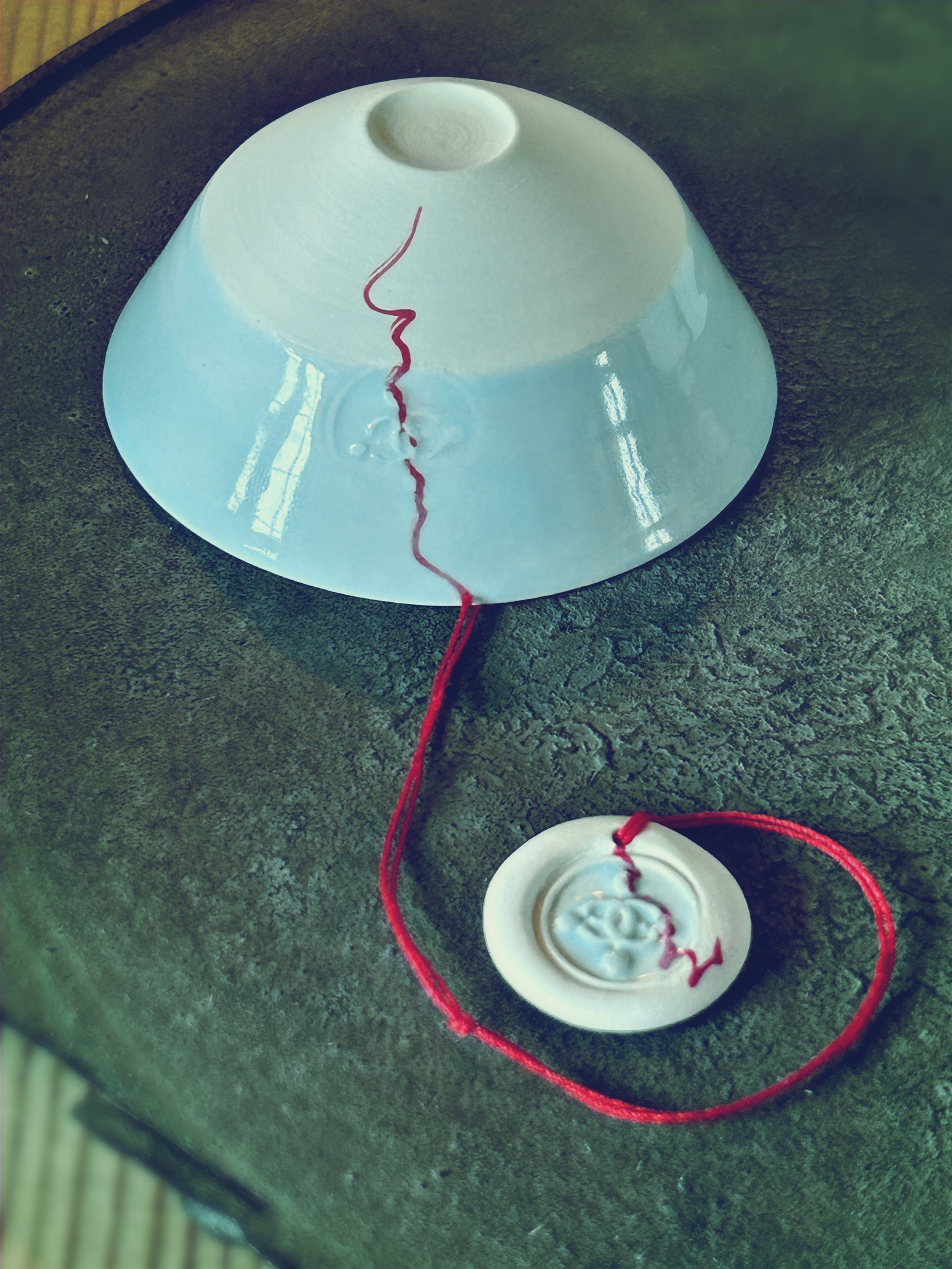
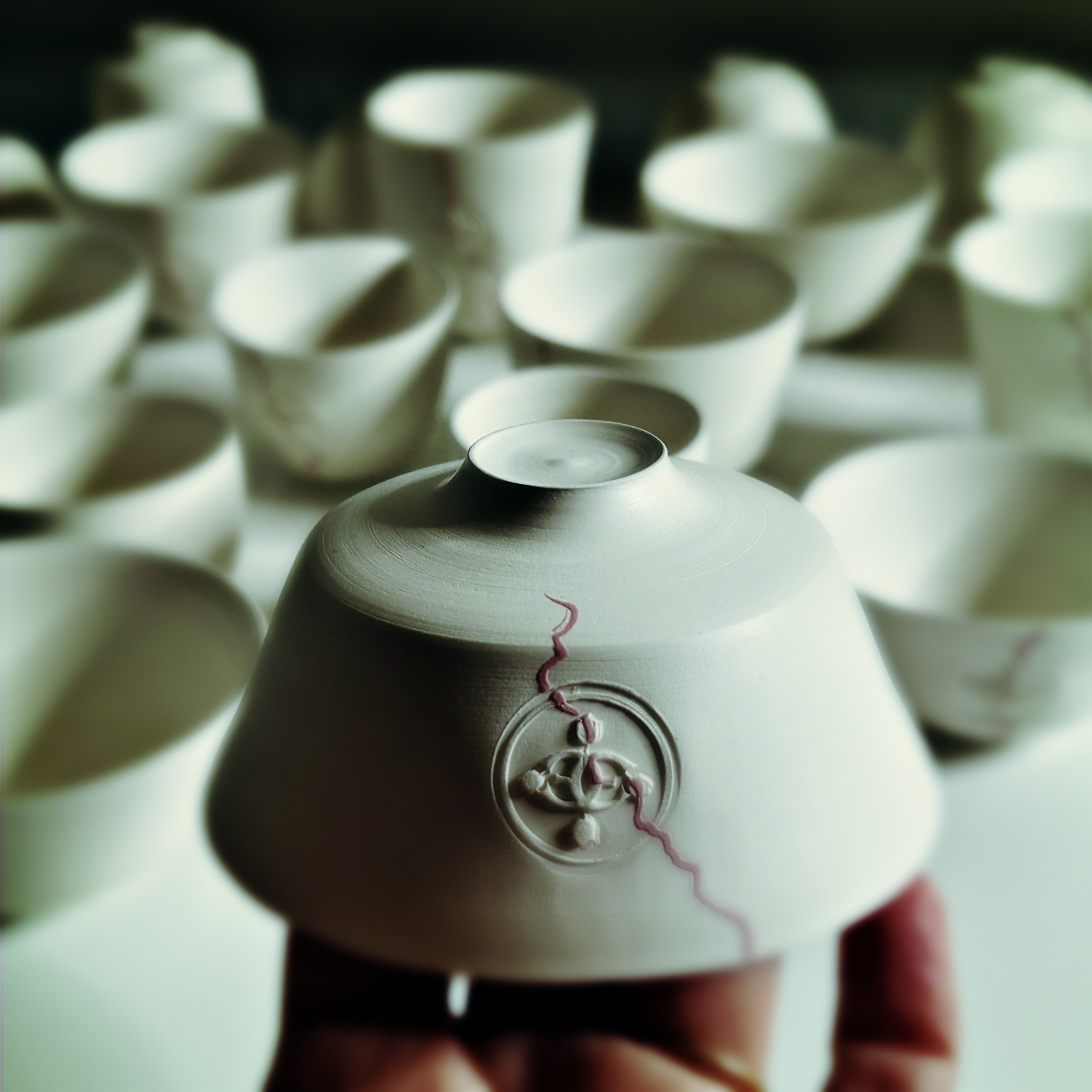


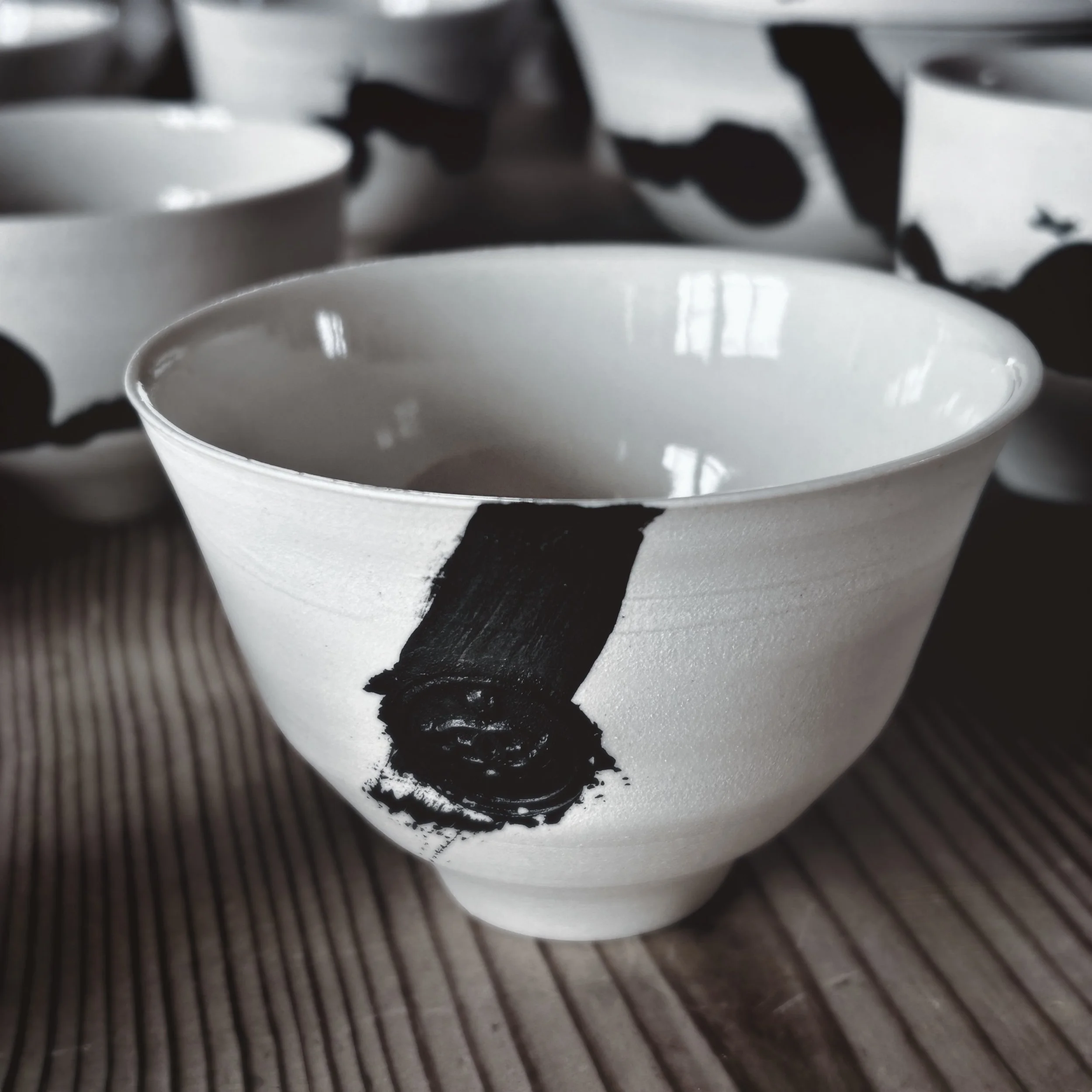

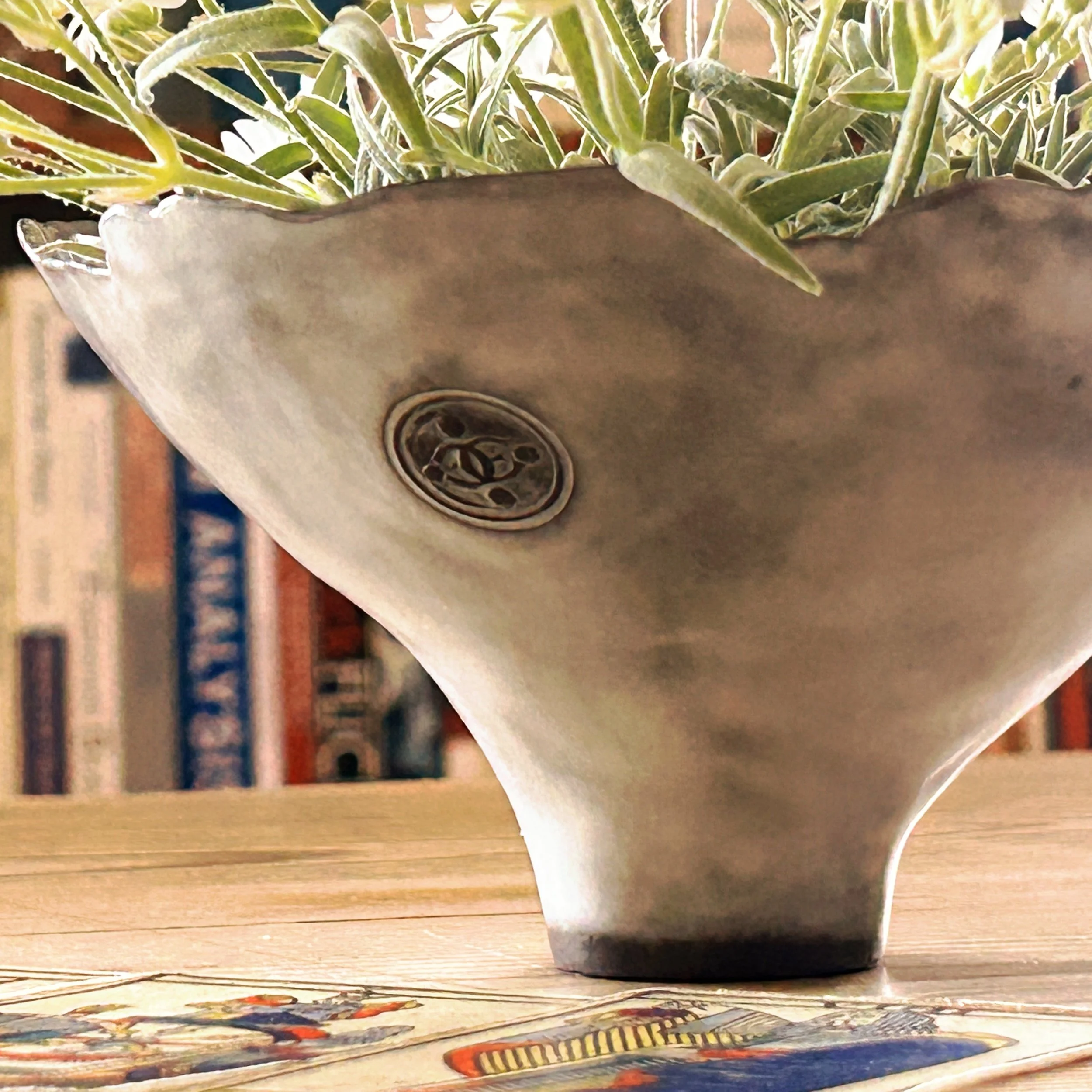
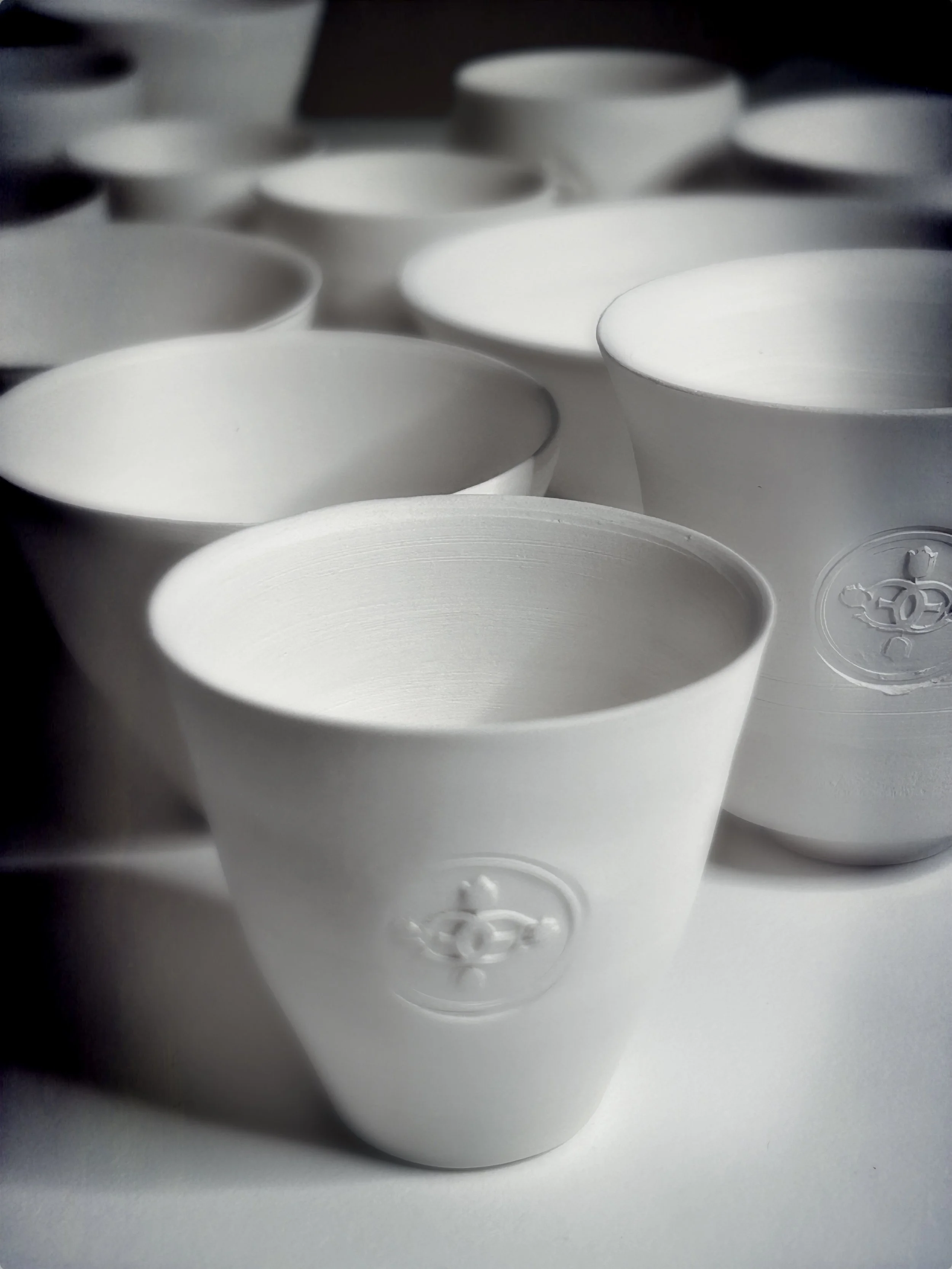
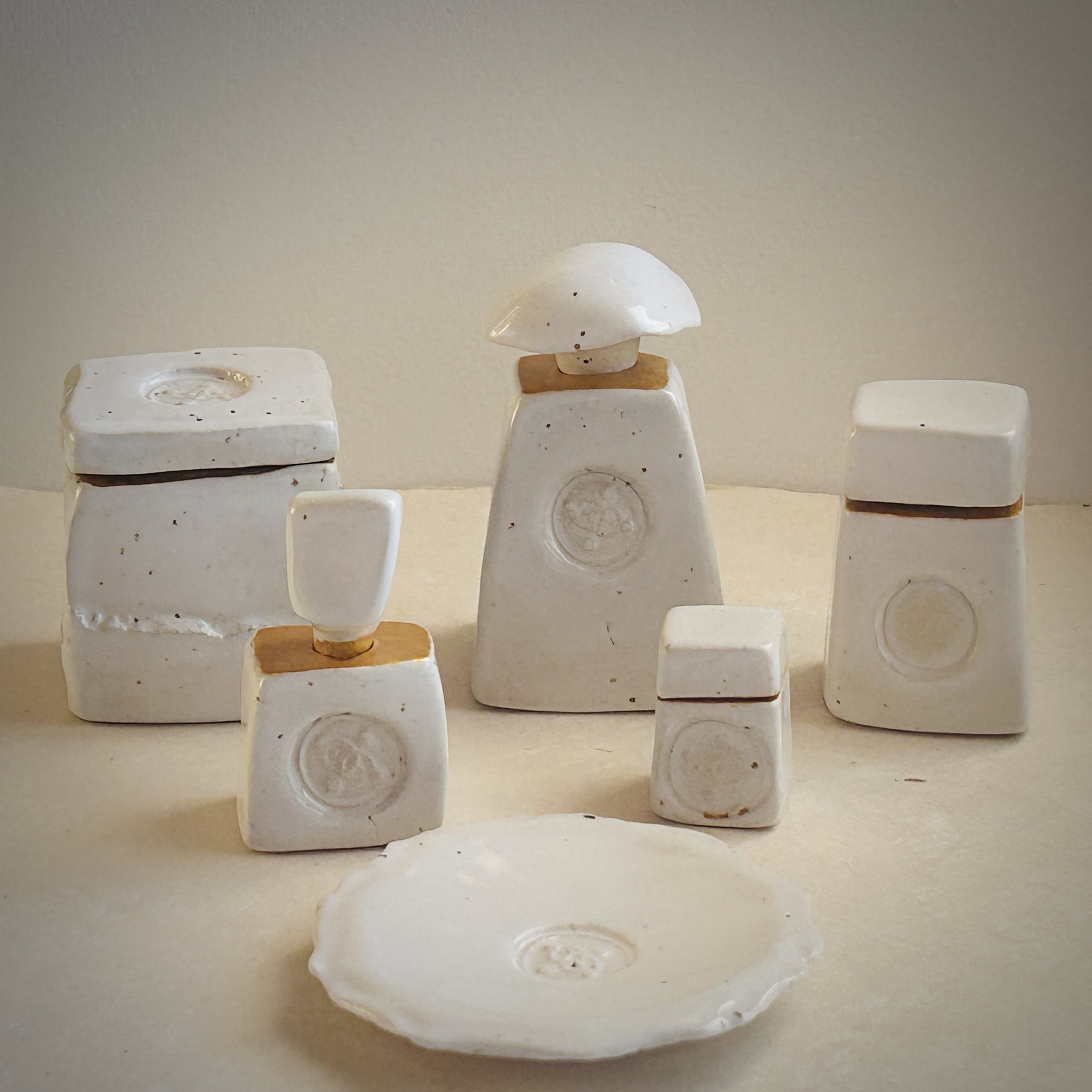
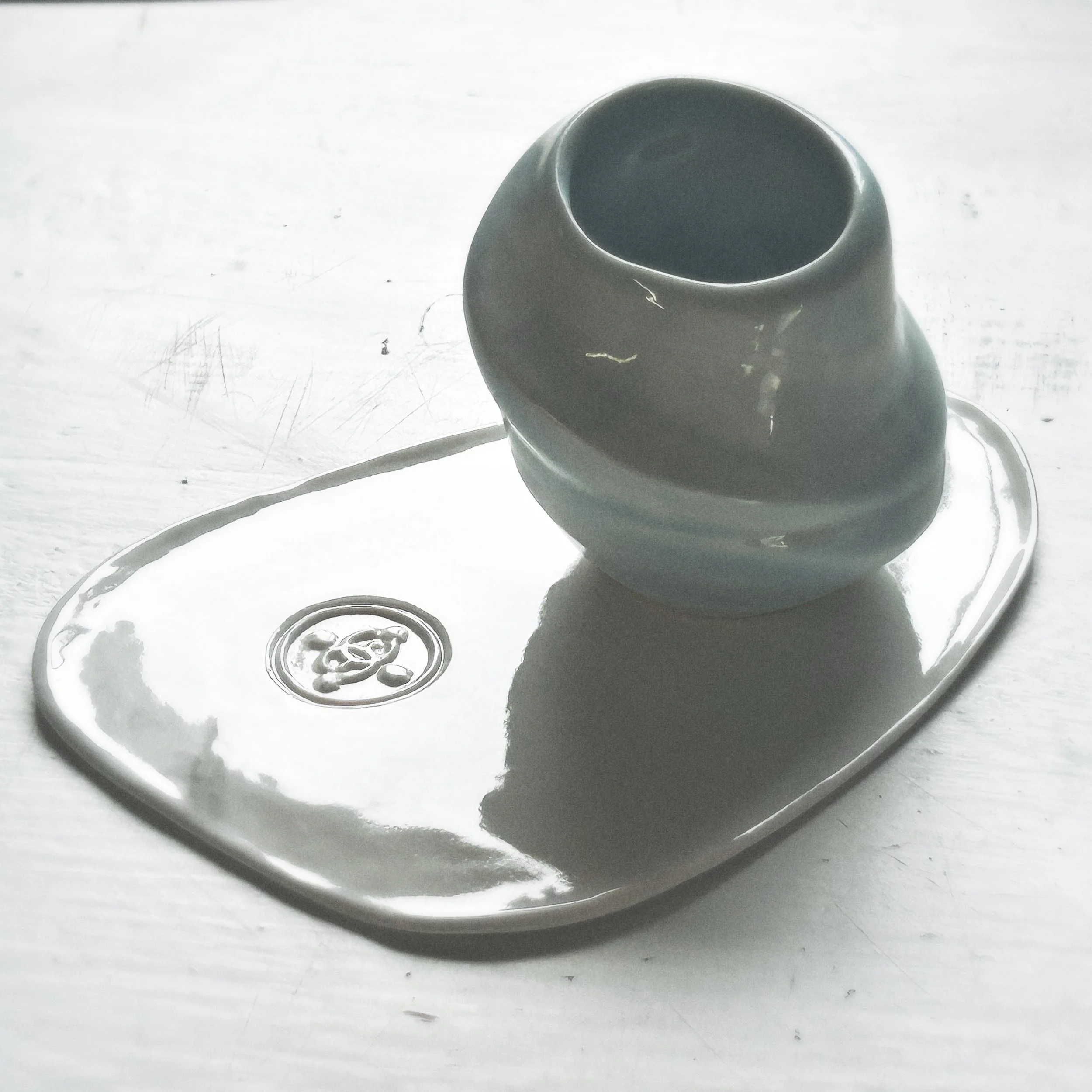
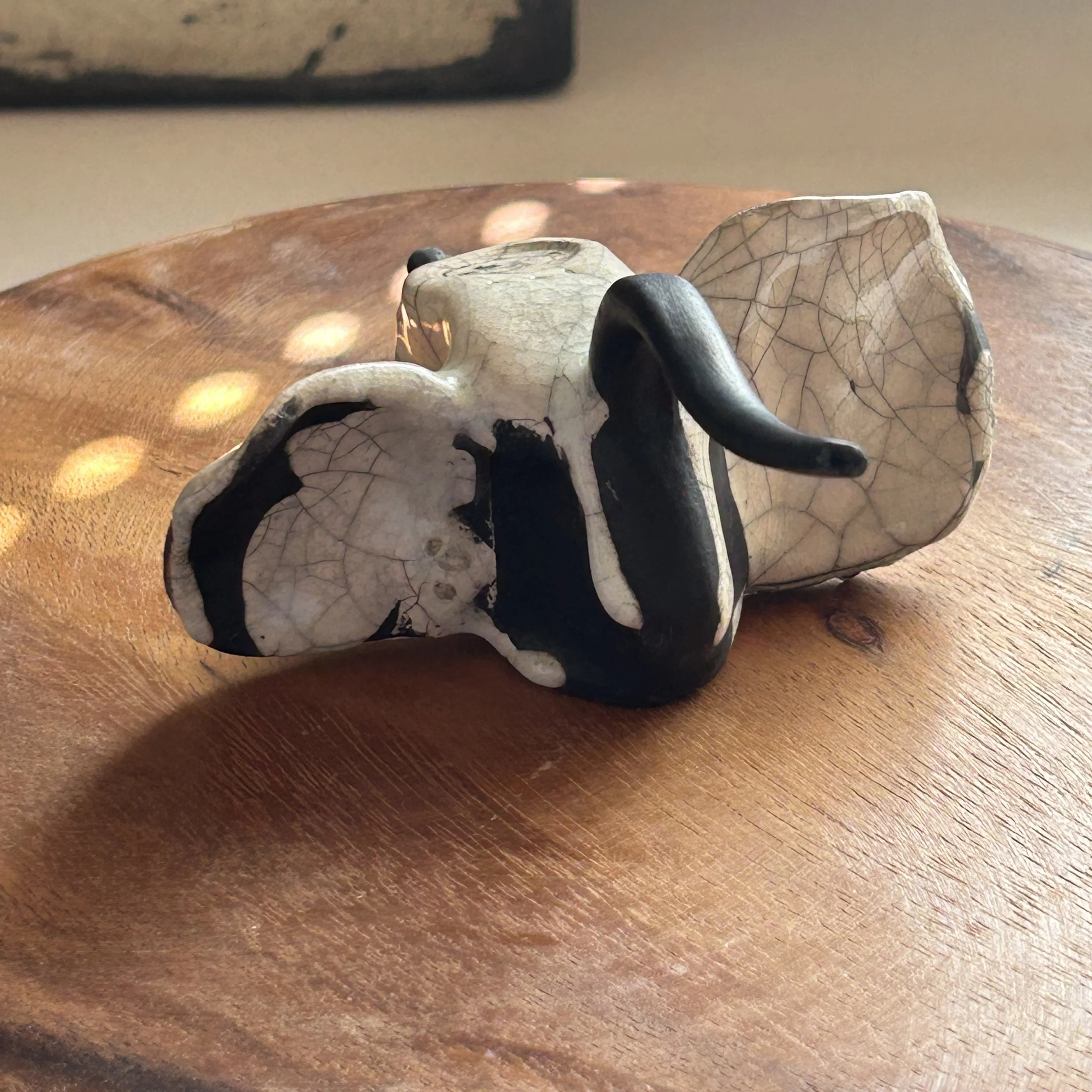
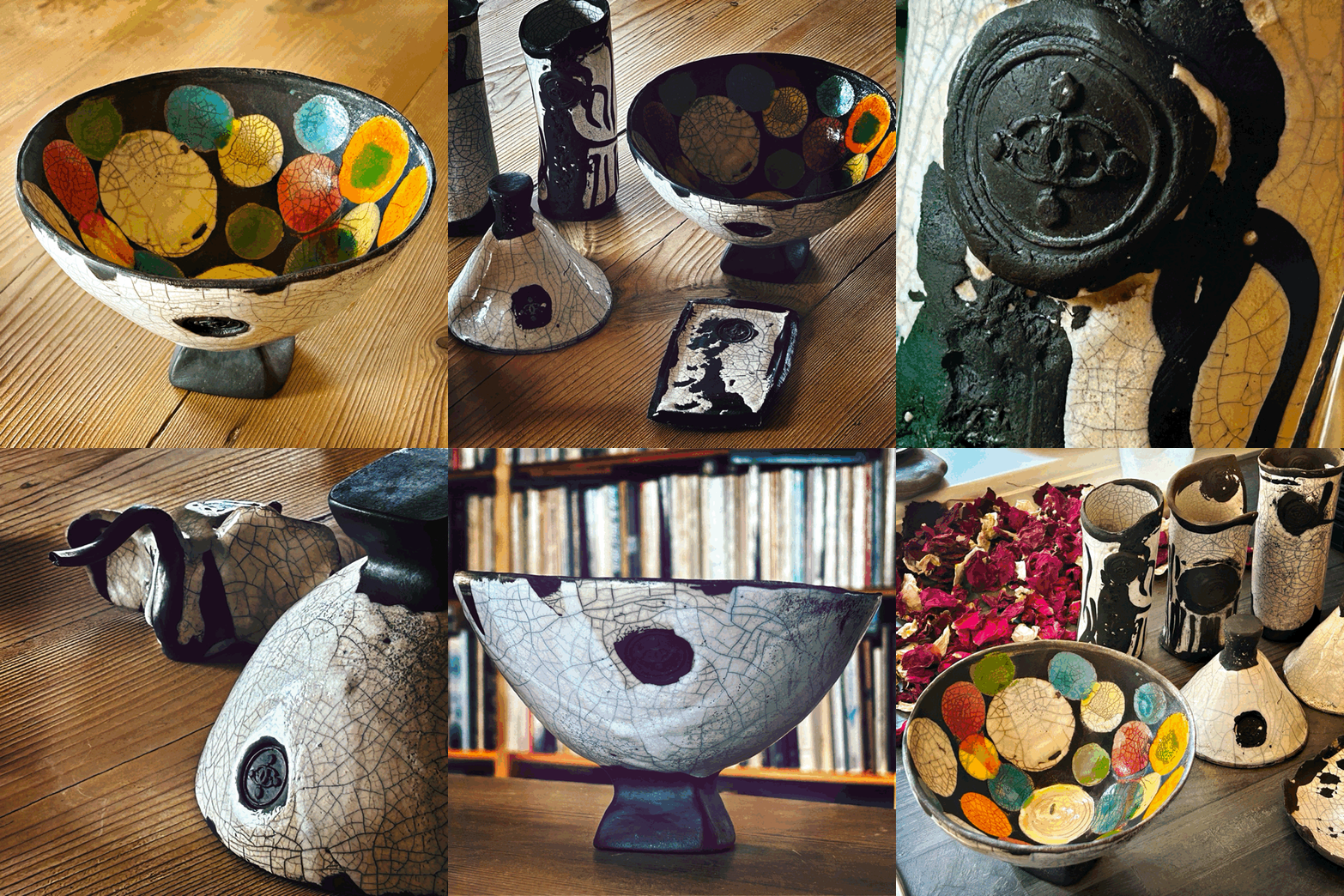
Below, my first attempt at doing anything ceramics. Although my focus is mainly porcelain now, I also like to use other types of clay that are porcellanous, as they have a resonance all their own. The first images here represent a few examples of my hand at work in the same week when I gave shape to clay without the help of wheels, moulds, or other forms: a conic bowl, my first, then perfume bottles, a tumbler, and a pitcher that gives spectacular control over pouring. Then porcelain and an attempt at making raku. Porcelain wins.



analog photography
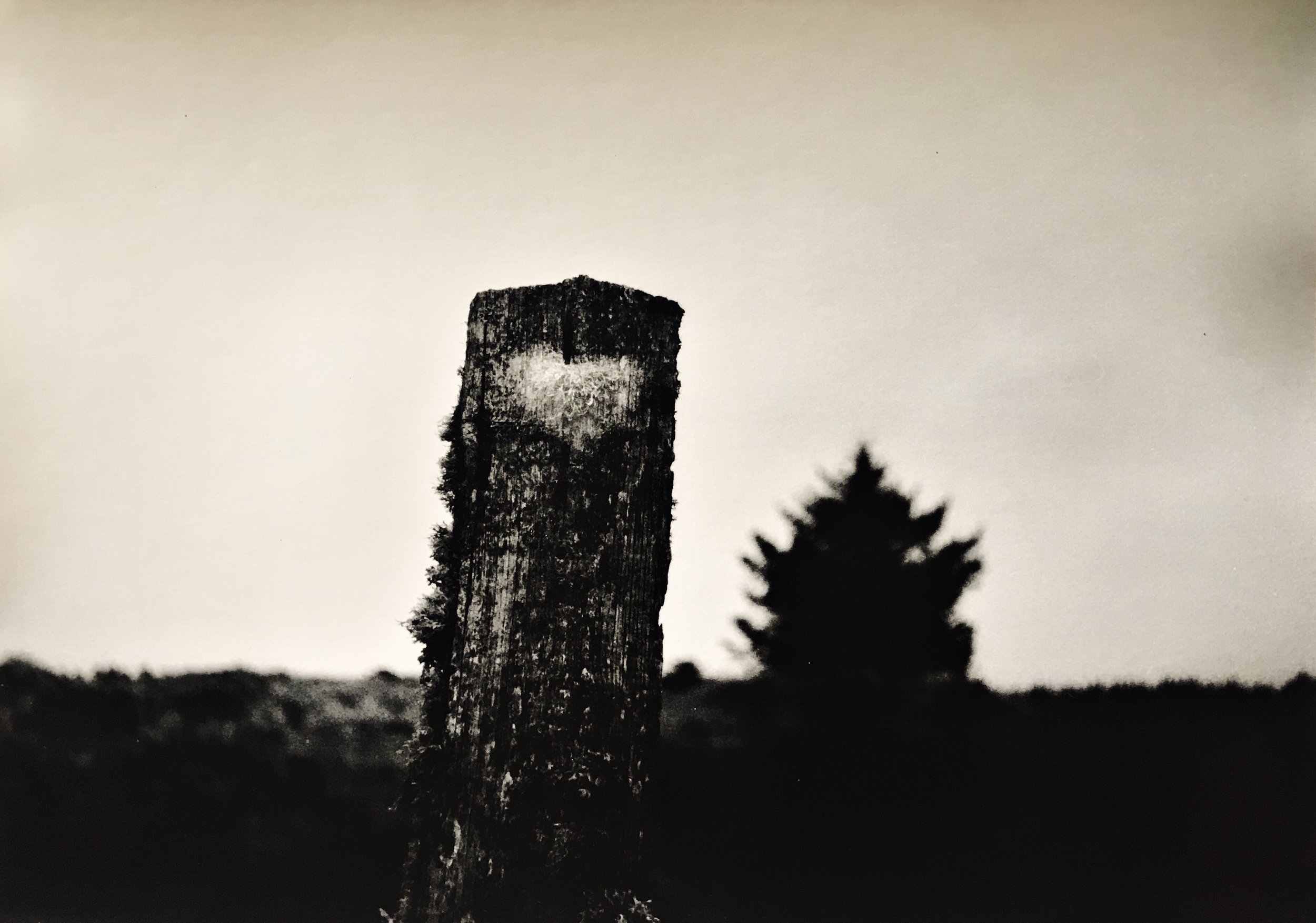
After 40 years of a break, I returned to the magic of darkroom photography in order to put together a series of gelatin silver prints. As I inherited a Leica M2 from 1963, I wanted to honor its previous owner, historian and collector K. Frank Jensen. Part of this project has been turned into a book of fragments and photographs, Being Besides Myself.
The special edition book that was offered as a talisman came with a gelatin silver print. While this edition, book + silver print, is sold out, the hardback is still available.


a touch of silver
After 40 years of a break, I returned to the magic of darkroom photography in order to put together a series of gelatin silver prints. As I inherited a Leica M2 from 1963, I wanted to honor its previous owner, historian and collector K. Frank Jensen. Part of this project has been turned into a book of fragments and photographs, Being Besides Myself. The special edition book that was offered as a talisman came with a gelatin silver print. While this edition, book + silver print, is sold out, the hardback is still available. But what are we talking about when we say, analog photography? Let me introduce you to it.
Gelatin silver or silver gelatin? Which comes first? Technically speaking, hand printing on baryta paper, or fiber-based paper of hefty weight, refers to an embedded process: shooting black and white film, developing it, and printing it in the darkroom. The latter process involves enlarging the negative, and burning the baryta with light. The paper is then tossed into three chemical baths. What follows is washing, toning and drying. Now you know why a gelatin silver print can fetch half a million dollars – if you’re Robert Mapplethorpe.
THE TECH
The baryta paper contains a suspension of the silver halides, or salts in a gelatin layer. An image printed in the darkroom ‘sits’ on four layers: Cotton-based paper, baryta, gelatin binder, and a protective gelatin overcoat. As the silver is suspended in gelatin, we’re talking about a gelatin silver process, though many prefer the denomination, ‘silver gelatin,’ as it sounds better.
After enlargement, focus, and contrast control, the paper travels to three trays of wet dipping containing chemicals: Developer (I like the Romanian word for it, revelator, or revealer, as that’s what this chemical does, reveal the hitherto embedded but hidden image on the paper), a stop bath, preventing the paper from further developing, and a fixer ensuring that the paper will not be sensitive to the light anymore.
Afterwards the baryta requires a long bath in running water, typically an hour. This ensures that the added chemicals in the paper are washed out completely, so no staining can occur at a later stage.
Toning the baryta in selenium adds longevity to the print, and a dash of heightened contrast. Sepia toning or a similar chemical treatment can give the gelatin silver print a preferred look, while also making sure that your work will last at least 100 years without any change: the black stays black, and the white stays white (or tobacco and blue color, if toning was used).
I like my own prints to display fat contrast. Not necessarily grainy or sharp, but fat.
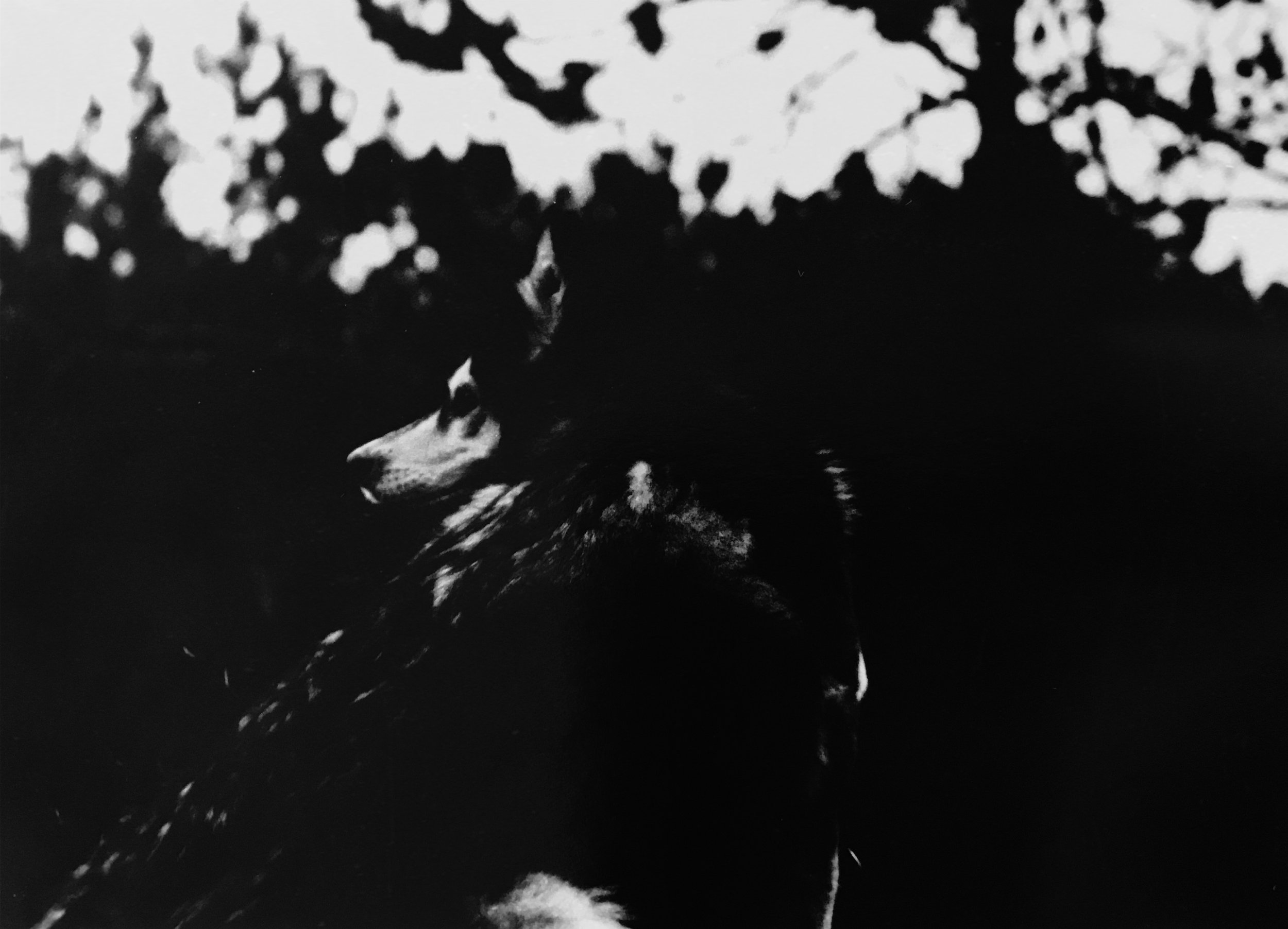
My second print that I processed after returning to the darkroom — when all darkroom experience, only one-week 40 years ago, completely vanished — was based on a thin negative. This means that it took the light from the enlarger a very short time to burn the hell out of the paper, thus leaving behind a layer of black that’s hard to describe.
All I can think of is the fat color that the Renaissance masters used when they painted their chairoscuro masterpieces. I tried to take pictures of this print below, The Hand and the Hound, and found it impossible to render without a perfect reflection of my iPhone in it. The surface is like obsidian, filled with strange depth and magic.

WRITTEN ON THE BODY
The point of this post about the basic process is to say the following:
Anything that requires your hand touch, even when the hand must be begloved, is magic. I take the saying, ‘keep it close to nature’ to my heart. There are minerals and chemicals that go into your hand touch. Your body is made of minerals and chemicals. So what you work with is actually the memory of your body. A miracle.
It may well be that the name ‘photograph’ means ‘writing with light’, but I like the idea that this writing with light is all about memory written on the body.
If you craft anything with your hands, keep going. There’s nothing like going through a process that requires your touch. That’s where the art of it is. In the touch.
When the touch of the baryta is the result of being utterly relaxed and utterly concentrated at the same time, you end up with work that not only touches the heart, but grabs it too.
And that’s the point of art: to grab the heart in a unique way and as a singular expression. After all, according to Zen masters, you’re all you’ve got. There are no others. The space you think you inhabit is not one that defines you, but rather, one that you create. On point, and with everything else that is in it.
I go out with my inherited Leica M2, the subject of The Danish Testament, and don’t look at things. I look at blobs of light and the horizon of our crossing of aims. I consider the notion of contrived pictures and try to situate myself in accordance.
I say to the light: ‘I see you light, I’m going to touch you.’ I can hear the silver halides getting all bubbly inside, waiting for my touch.
♦
being besides myself
In addition to being sold to others on commission or as part of occasional offers, some of my gelatin silver prints made it in a book of fragments, Being Besides Myself, where I look at photography as a talismanic object.
The book is available from EyeCorner Press in two further editions: hardback and ebook.
For more words on photography, see my essay, Contrived Pictures.